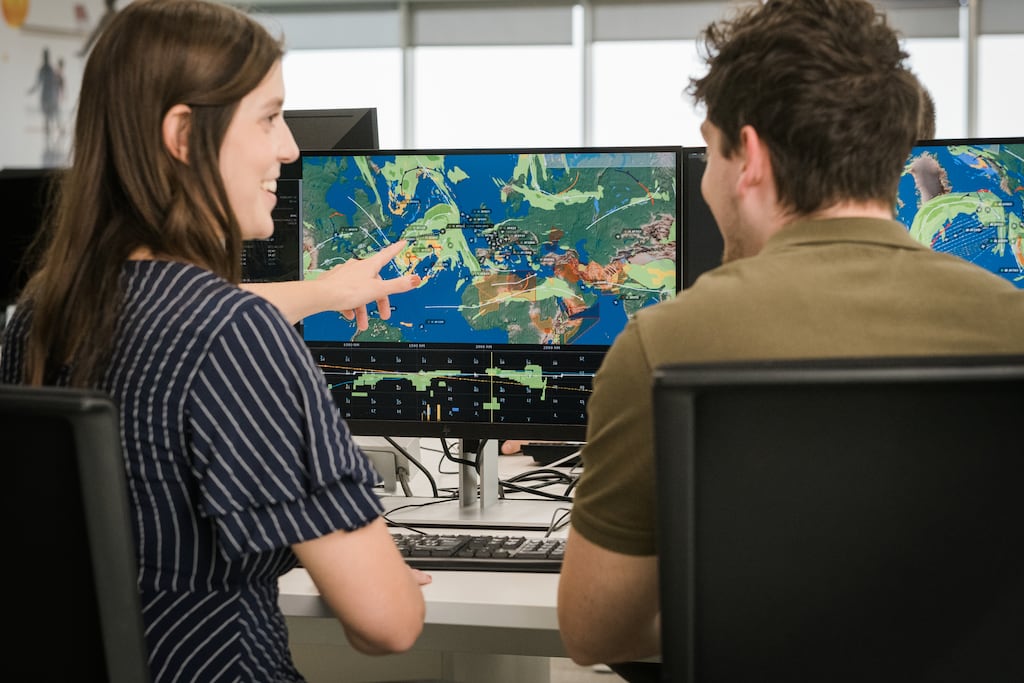

Sita Letterkenny is a premier hub for engineers shaping the AI-driven aviation sector. It is one of the company’s core engineering centres, designing the technology that keeps global aviation working. From Donegal, teams create and deliver systems used by more than 2,200 customers, including airports, airlines, and more than 70 governments worldwide. Yet the setting remains distinctly local: a focused technology centre rooted in community, where engineers have direct ownership of their work. That combination of global scale and personal accountability defines the site’s model.
The global impact: technology that moves billions of people
The work developed here touches every stage of a passenger journey. From the moment a traveller enters an airport, they interact with systems engineered in Donegal. Across terminals from the Americas to Asia, a traveller can scan a passport at an e-gate, tap a mobile boarding pass, or check a phone to confirm a bag has arrived. Behind each of these moments is software built in Letterkenny. More than 5,000 biometric touchpoints worldwide are powered by Sita technology, reducing queue times while strengthening identity verification for authorities.
Beyond the terminal floor, engineers develop the data platforms airlines use to manage complex global networks. These systems turn operational information into decisions that reduce aircraft turnaround times, prevent delays from cascading, and ensure crews, gates, and ground teams are in the right place at the right time. Minutes saved on the ground improve reliability and cut fuel use, directly linking technology to commercial performance. Sita’s core platforms support nearly half of all air travel worldwide.
The Donegal hub also supports the digital infrastructure that keeps aviation connected. This includes secure networks linking airports and airlines, messaging systems that transmit flight and baggage data in real time, and data link services that allow pilots and air traffic control to exchange instructions digitally. Advanced tools such as OptiFlight analyse flight data and weather to recommend fuel-efficient routes, cutting costs and carbon emissions. More than 19,600 aircraft depend on these systems every day to operate safely and efficiently.
READ MORE


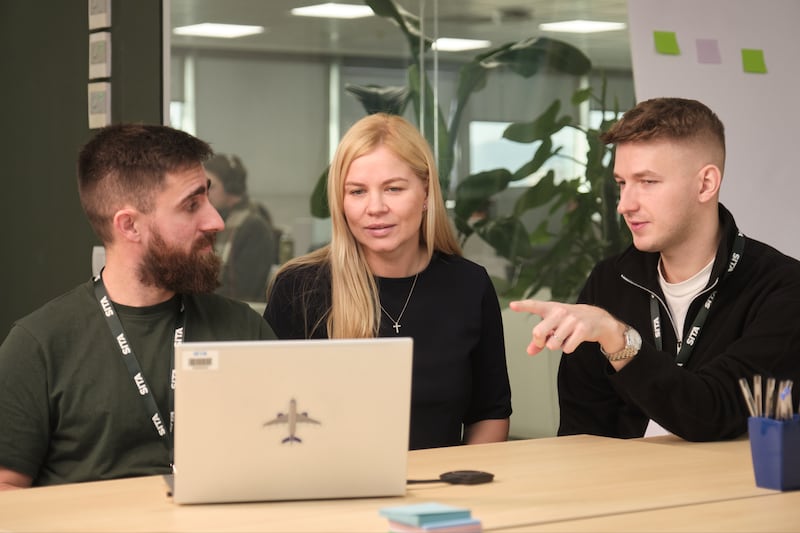
These systems impact billions of journeys each year. They shorten passenger time at check-in, reduce the risk of lost luggage, and help aircraft depart on schedule. For airlines and airports, the platforms provide real-time information that keeps operations stable during weather, congestion, or other disruptions. For engineers, the global impact becomes clear.
“You would resolve an issue in Donegal and see it operating in airports across different continents within months,” says Richard Gardiner, who is now director of software development at Sita, after joining the company as a graduate. “That is when it shifts in your mind. You realise you are not contributing to a regional product – you are accountable for systems that aircraft and passengers depend on. The responsibility sharpens your thinking.”
The Donegal model: real responsibility and zero barriers
Responsibility arrives early here, but it is structured. Releases are frequent and closely tied to customer outcomes. If a problem emerges, it is escalated quickly. If an improvement is identified, it can be discussed directly with leadership. Layers do not obstruct execution. Sita’s engineers own products from the initial design phase through to global deployment. This means they see the full life cycle of what they build.
Ray Callaghan, location leader and senior manager, software development at Sita, describes the difference. “When I originally joined Sita as a graduate, I expected to spend my first year observing. Instead, I was asked to present architectural options to senior engineers. You are trusted to think critically. When something fails, you analyse it, fix it and learn. That pace accelerates your development.”
A culture of growth fuelled by potential
The hub has grown from 20 specialists in 2003 to more than 150 engineers today. That growth has come from hiring externally and promoting engineers from entry-level roles into senior and leadership positions, making career progression visible and attainable. Several senior leaders began their careers here as graduates. Structured onboarding, cross-functional teams, and clear progression paths make sure advancement is tangible.
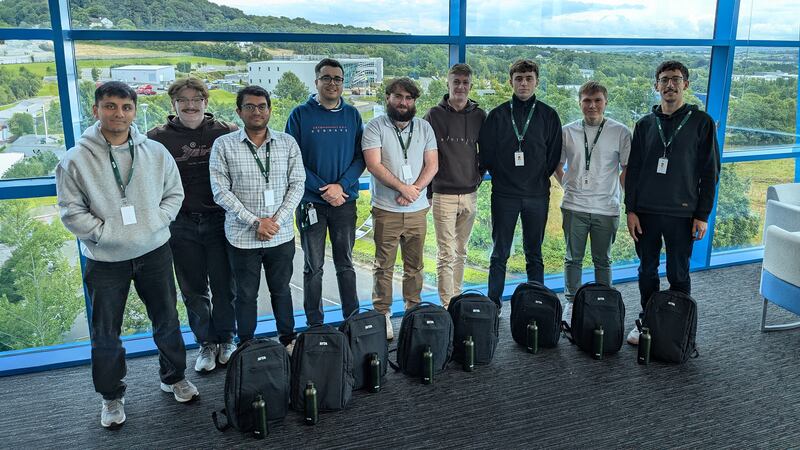
“We hire for potential,” says Louise Crotty, senior manager, software development at Sita. “Aviation is entering a period of significant change. AI-driven operations, advanced analytics, and sustainability targets are reshaping the industry. If someone shows curiosity and resilience, we give them meaningful responsibility early, access to decision-makers and the safety to question assumptions. That is how you build strong systems and strong careers.”
The industry context makes the opportunity more significant. Passenger numbers are forecast to approach 10 billion annually in the coming decades. Airlines must operate more efficiently, reduce emissions and protect increasingly complex digital infrastructure. Airports must move more people without simply expanding physical space. Each of those challenges depends on smarter technology.
The view keeps changing
Two decades ago, engineers in Donegal looked out the window and watched aircraft cross the sky. Today, they work on the systems that guide those aircraft, verify passenger identities, connect control towers, optimise flight paths, and help travellers track their journey easily, step by step.
For graduates walking through the doors now, the proposition is clear. You will work on technology that operates at global scale. You will see the outcome of your decisions in live environments. And if you choose to grow, the structure is in place to support that trajectory.
The planes still pass overhead. The difference is that the systems enabling them are built here.


