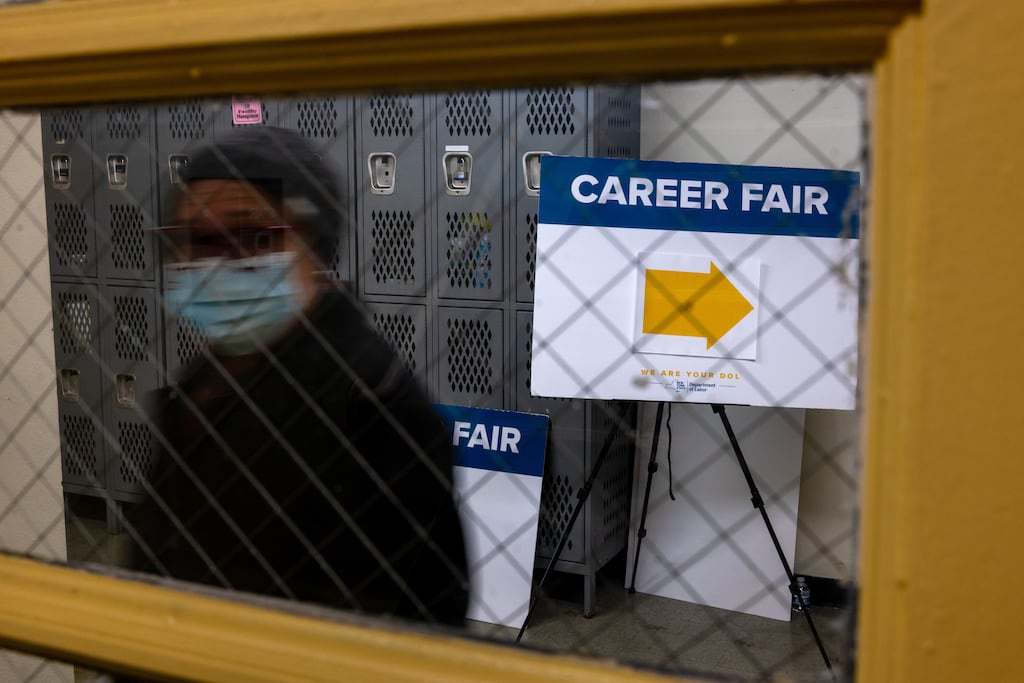
The US unemployment rate rose to 4.6 per cent in November, the highest level in more than four years, in a further sign of weakness in the labour market.
The world’s biggest economy added 64,000 jobs in November but shed 105,000 in October, bolstering the case for the Federal Reserve to cut interest rates further in the new year.
While Tuesday’s figure for new posts in November beat expectations of 50,000 among economists polled by Bloomberg, the loss of jobs in October was far greater, dragged down by a large drop-off of 162,000 in federal government employment.
The unemployment figure was the highest since September 2021 and up from a rate of 4.4 per cent in September 2025. The BLS did not provide an October figure due to the recent government shutdown.“Ultimately, when you cut through all the noise, the unemployment rate is maybe the most important number in the report,” said Robert Tipp, head of global bonds at PGIM Fixed Income.
READ MORE



“Seeing that creep higher means the focus for the Fed will continue to be on the jobs market rather than inflation.”
The report provides a crucial glimpse at the US’s economic health after the record-long shutdown halted many official data releases.
[ Trump loyalist Kevin Hassett as Fed chairman could politicise US monetary policyOpens in new window ]
It adds to the mixed picture for the economy, with the labour market weakening, inflation remaining elevated but GDP growth expected to be solid in the third quarter. Delayed November inflation data is scheduled to be released on Thursday, after the BLS scrapped its October report.
Tuesday’s report comes after the Fed cut interest rates last week for the third time this year, taking borrowing costs to a three-year low, following a meeting at which policymakers sparred over prioritising risks to inflation or employment.
The jobs figures are likely to be revised, with Fed chair Jerome Powell saying last week job numbers were probably being overestimated by as much as 60,000 a month.

Why are apartments in Ireland so much more expensive to build than houses?
With hiring averaging just 22,000 over the past three months, Mr Powell’s comments mean “the Fed is now effectively acknowledging the economy is losing jobs, which will push the doves to continue making the case for rate cuts,” said James Knightley at ING.
The report is also likely to fuel further calls for lower rates from US President Donald Trump, who has piled pressure on the Fed to increase the pace and scale of action on borrowing costs.
“The bottom line is that the president thinks that rates should be lower and I think there are a lot of people that share that point of view,” Kevin Hassett, director of the National Economic Council and a front-runner to replace Powell as chair, told CNBC after the report.
Short-term US government bond yields, which are sensitive to monetary policy expectations, slipped after the report. The two-year Treasury yield fell 0.02 percentage points to 3.49 per cent.
Two quarter-point interest rate cuts are currently being priced in by the end of 2026.
The higher unemployment rate was driven in part by an uptick in teenage unemployment, which rose from 13 per cent in September to 16 per cent in November. Analysts cautioned that swings in this demographic were not uncommon.
Federal government employment, which shed another 6,000 jobs in November, is now down by 271,000 since January after a spate of lay-offs prompted by Elon Musk’s so-called Department of Government Efficiency.
Offsetting some of the gloom, private payrolls grew by a combined 121,000 over the two months, more than expected, suggesting continued steady hiring by businesses.
Stephen Brown at Capital Economics said the “positive momentum” on private sector hiring “suggests that the Fed will not be overly concerned by the upside surprise in the unemployment rate ... providing we see unemployment stabilise in the coming months”. – Copyright The Financial Times Limited 2025