
Change is in the air as 2025 winds down. The Hugh Lane Gallery, in Dublin, has closed for renovations, ending its on-site exhibitions for now with Ailbhe Ní Bhriain’s hauntingly gorgeous The Dream Pool Intervals.
With the Crawford Art Gallery also closed since the end of 2024, and neither space expected to reopen until 2028, the gap is more keenly felt in Cork, although the Lavit Gallery, and Sample-Studios’ exhibitions at the Lord Mayor’s Pavilion in Fitzgerald’s Park, have increasingly interesting programming.
Moves are also afoot in Limerick and Dublin, with Úna McCarthy having stepped down from her role at Limerick City Gallery of Art after a decade as its director, and Patrick Murphy also retiring from the RHA after 28 years at the helm. At the time of writing, their successors have yet to be announced.
At the EVA International contemporary art biennial, in Limerick, Eszther Szakács curated a show with fewer artists and venues than previously, instead leaning into the idea of collaboration and process. EVA’s director, Matt Packer, spoke about the way “the projects we’re doing don’t have the same exhibitionary imperatives”. There’s a definite validity to the conceptual, but art still tends to work best when there’s something to look at. In this instance, the installations at Limerick City Gallery and Ormston House were most rewarding.
READ MORE


So what was worth seeing in 2025? These are our favourites.
Lisa Fingleton: The Square Tomato
Siamsa Tíre, Tralee, Co Kerry, February-March
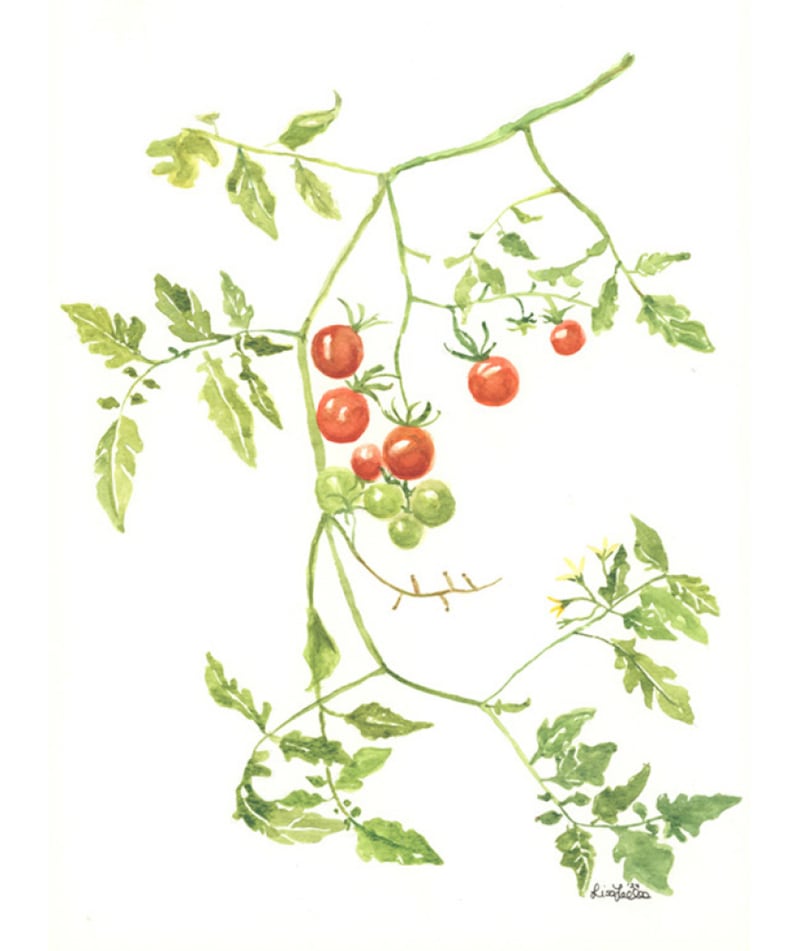
Referencing “advances” in bioengineering aimed at making fruit and veg easier to pack, the artist, grower and writer Lisa Fingleton jumped into a series of serious meditations on how much we’re screwing up the natural world in the name of progress. What made this show a standout was the wit with which Fingleton leavened her messaging, and the breadth of her sources. Her filmed interview with the Indian physicist and environmentalist Vandana Shiva also provided a sliver of hope.
Other highlight works in this vein included Bernadette Kiely’s No Promised Land painting at the RHA Annual, and John Conneely and Conor Maloney’s Funeral for Ashes at the Festival Printworks Gallery for Galway International Arts Festival (although four times was probably plenty for David Mach, who again made the main Galway festival installation, exuberant and eye catching as it was).
Kunstkammer
Lismore Castle Arts, Waterford, March-October
The art of the past is knowable only through what has survived, which means the collections of the wealthy tend to underlie taste and an understanding of what art “ought” to look like. So where better to explore than a castle?
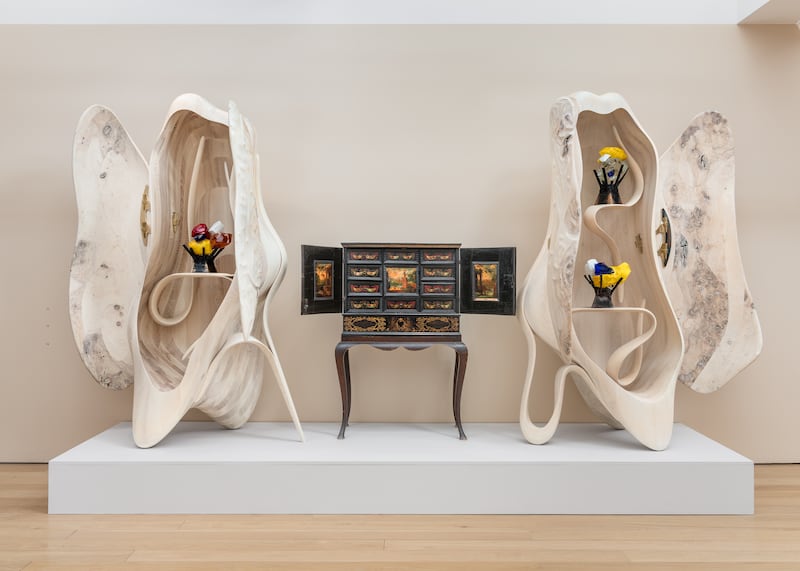
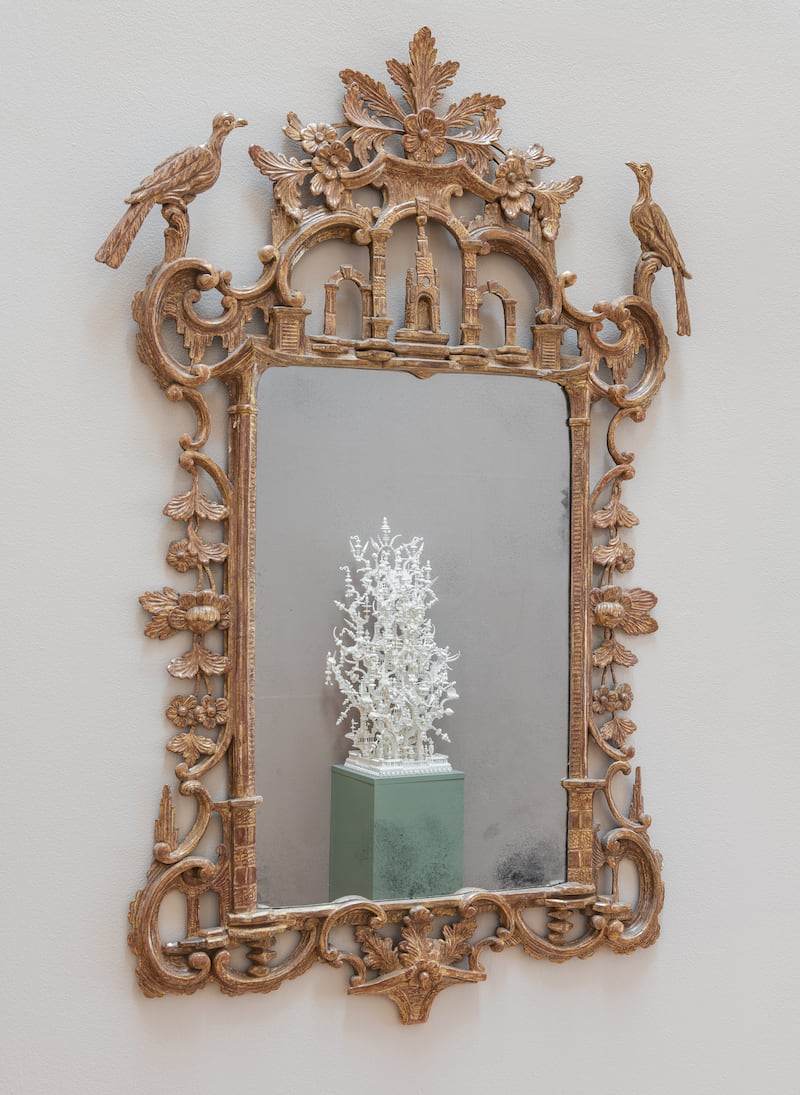
Robert O’Byrne’s witty and idiosyncratic curation was the ideal foil for a dive into collections old and new; Kunstkammer, at Lismore Castle Arts, featured eclectic objects and furniture, plus works by artists such as Monster Chetwynd, Sarah Lucas, Dorothy Cross, Sasha Sykes and John Gerrard. Takeaways included: even the nobility could do with a bit of decluttering; and while we may all try to understand and hold the world through owning and ordering, it still remains remarkably, enduringly elusive.
Mainie Jellett and Evie Hone: The Art of Friendship
National Gallery of Ireland, Dublin, April-August
Giving the lie to the idea that Ireland in the 1920s was a benighted place, where women were relegated to kitchens (with the odd spot of crossroads dancing), and all art looked like a Paul Henry, the National Gallery’s in-depth exhibition of the work of two pioneering Irish modernists was revelatory.
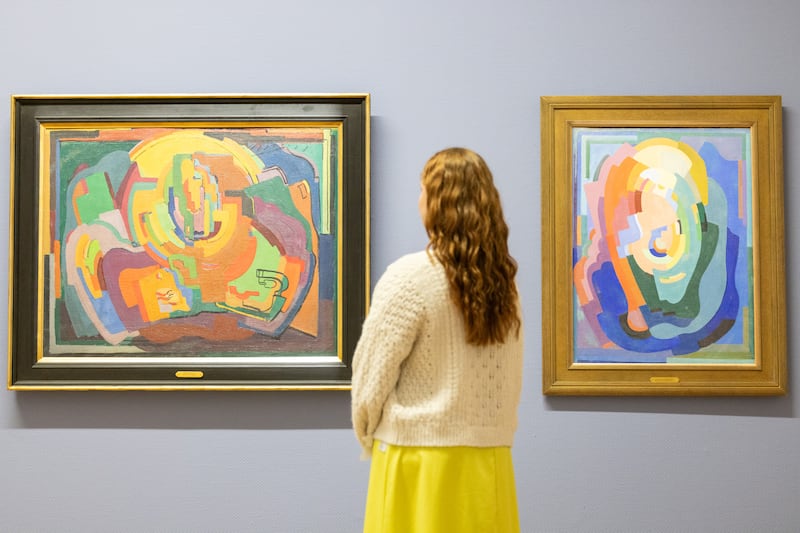
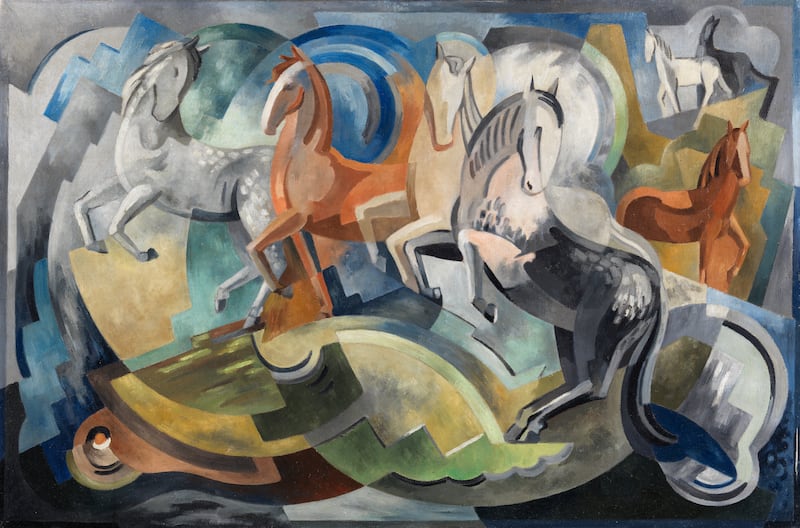
Drawing on lessons from tutors in Europe, Mainie Jellett and Evie Hone made abstraction their own, and within their works the shapes and shades of Ireland sang as if seen for the first time.
Jellett was selected to represent Ireland at the Olympics, back when art depicting sports was a thing, and her murals were on the world’s stage at the Glasgow Empire Exhibition in 1938. Likewise, Hone’s stained glass was commissioned for the 1939 New York World’s Fair, while her large East Window illuminates the dreams of youthful future British prime ministers in the chapel of Eton College. Where did it all go wrong?
Julianknxx: Chorus in Rememory of Flight
Model Arts Centre, Sligo, April-June
All art communicates, but some of the most powerful work this year was about communication – or, more aptly, about the art of listening well. “If we don’t unlearn racism,” Julian Knox quoted, during the installation of his quietly phenomenal exhibition at the Model, in Sligo, “we might miss the love of our lives.” He was echoing a contributor to his exhibition’s central film, in which the artist travelled to European port cities, where he connected with black residents.
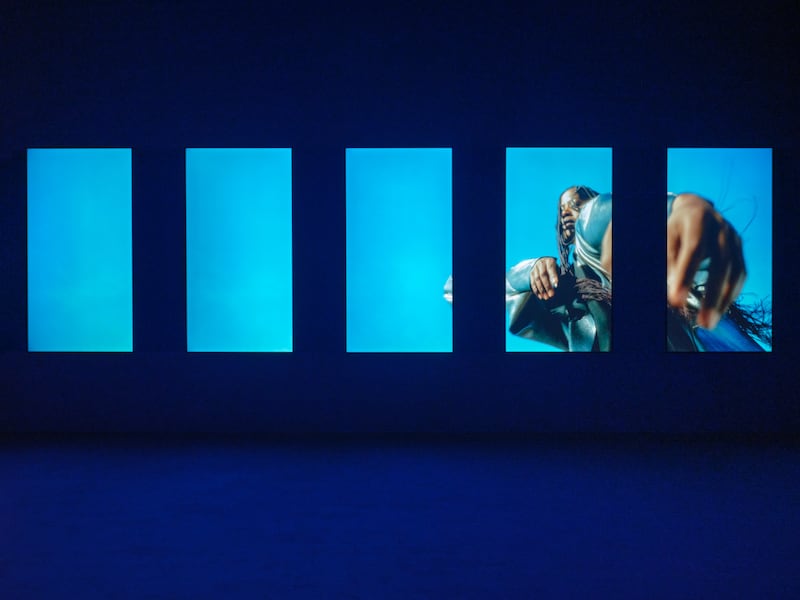
The unfolding global story told of the movement of people, trade, slave trade, settlement and plunder, as well as community and art. To watch the film unfold, as sequences shimmered with joy, was to open yourself to the huge potential of humanity. Racism and hatred shut down the opportunity to fully experience love, not only for others but also for ourselves.
Cotter & Naessens Architects: Assembly
Venice Architecture Biennale, Italy, May 18-November 23
It has been a landmark year for Irish architects on the international stage. Heneghan Peng’s vast Grand Egyptian Museum finally opened in Cairo; and O’Donnell + Tuomey were this year’s recipients of the RIAI Gandon Medal for lifetime achievement, at the same time as their master plan for London’s new Queen Elizabeth Olympic Park, including their outposts of the V&A and Sadler’s Wells, has come on stream.
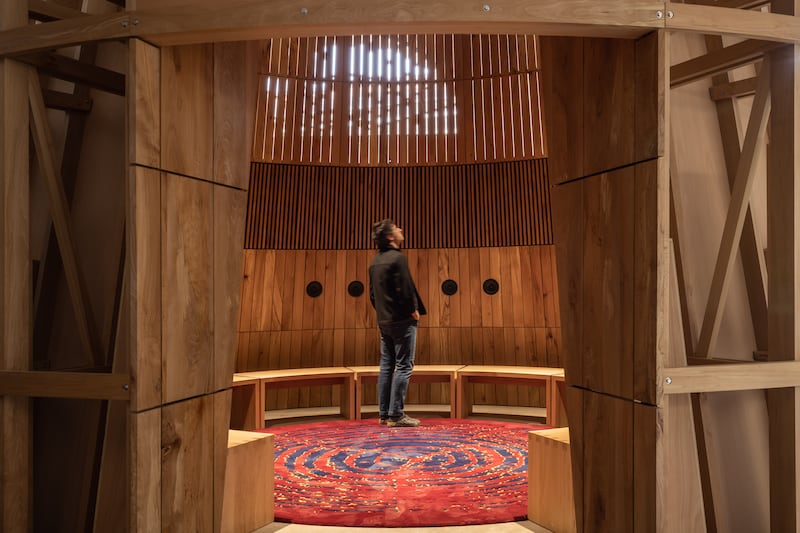
In a patchy Venice Architecture Biennale, with its chaotic and disappointing central exhibition curated by Carlo Ratti, Ireland’s pavilion, by Louise Cotter and Luke Naessens, stood out for its clarity of concept as well as form. The pavilion, which will tour Ireland in 2026, including to Cork Midsummer Festival, gracefully amplifies the simple, wise idea of sitting down and talking to one another.
Michael Kane: Works on Paper
Taylor Galleries, Dublin, May-June
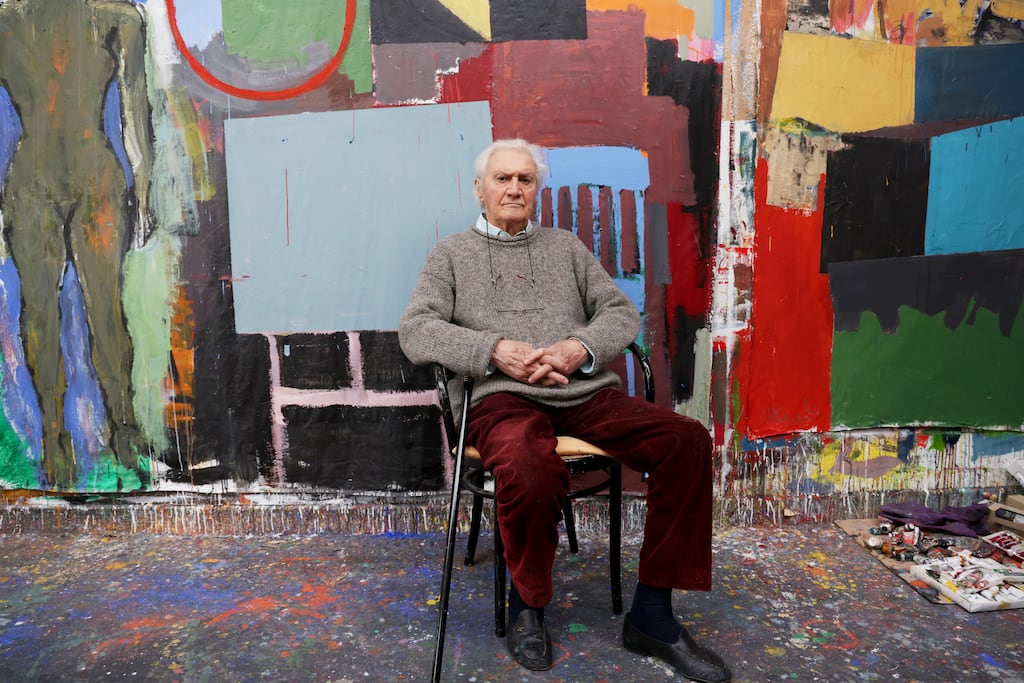
From co-founding Project Arts Centre to creating powerful art, Michael Kane was a central figure in contemporary Irish culture. The works in his exhibition at Taylor Galleries were made to a smaller scale, but this only intensified his rich images. Part abstraction, part almost-recognisable people and places from his stamping ground in the area around Pembroke Road in Dublin, they exuded a quietly seductive power. “It is the ghost of the city that is behind the actual city,” he said.
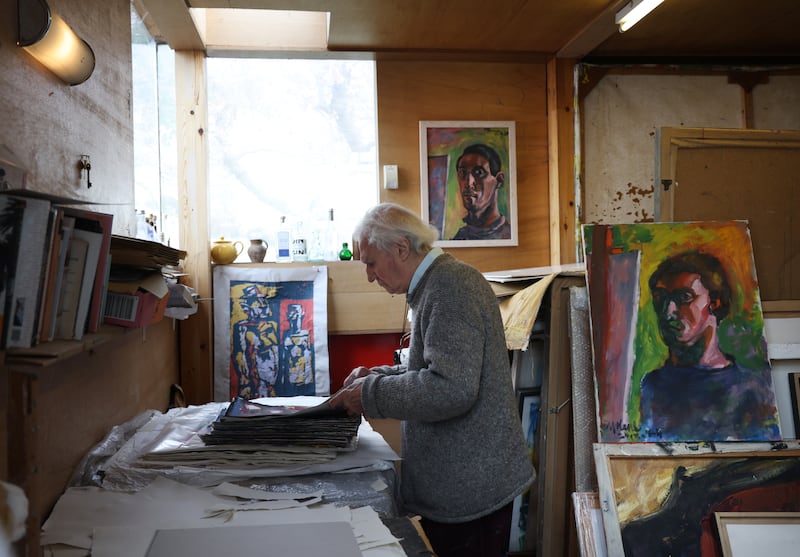
Kane, who also had work in simultaneous group exhibitions at Hillsboro Fine Art and the Irish Museum of Modern Art, died on the eve of the Taylor opening, three days shy of his 90th birthday. His fellow artist Cecily Brennan wrote, on behalf of Aosdána, that “in many ways, this is what artists dream of, not only being able to work until the end, but to be able to make better and better work until the end”.
[ Michael Kane: An artist who left more than a legacy of extraordinary paintingsOpens in new window ]
Jenny Brady: The Glass Booth/An Both Gloine
Project Arts Centre, Dublin, July-October
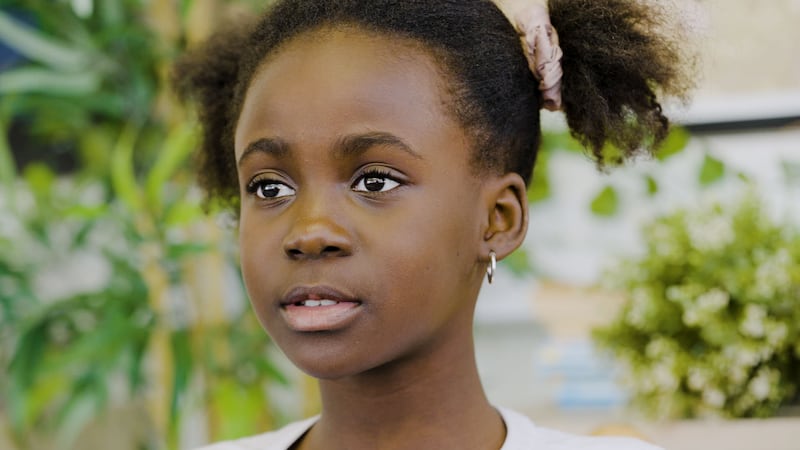
Exploring the worlds of interpretation and communication, Jenny Brady’s first solo show in Ireland was a reminder of why this Irish artist has such a significant international career. From opening scenes of the Geneva summit between Mikhail Gorbachev, the Soviet leader, and Ronald Reagan, the US president, in 1985, the film went on to the experiences of interpreters in training, all the way to a Nato interpreter, wryly commenting that “sometimes we’re used like a fuse”, blamed, he noted, “when a speaker is aware of having gone too far”.
[ Lost for words: Jenny Brady explores the world of interpretationOpens in new window ]
The most emotional sequences were those focusing on the children of immigrant families, thrown into an adult world as they attempted to interpret and navigate for their parents. A compelling and thought-provoking watch.
Ella Bertilsson, Kathy Tynan and Emily Waszak: Faigh Amach
Temple Bar Gallery, Dublin, August-September
Three intriguing artists showcased their very different work at Temple Bar in a new initiative aimed at helping artists launch international careers. A solo show at Southwark Park Galleries, in London, in 2026 was up for grabs, but that proved less interesting than the intricacies of the work.
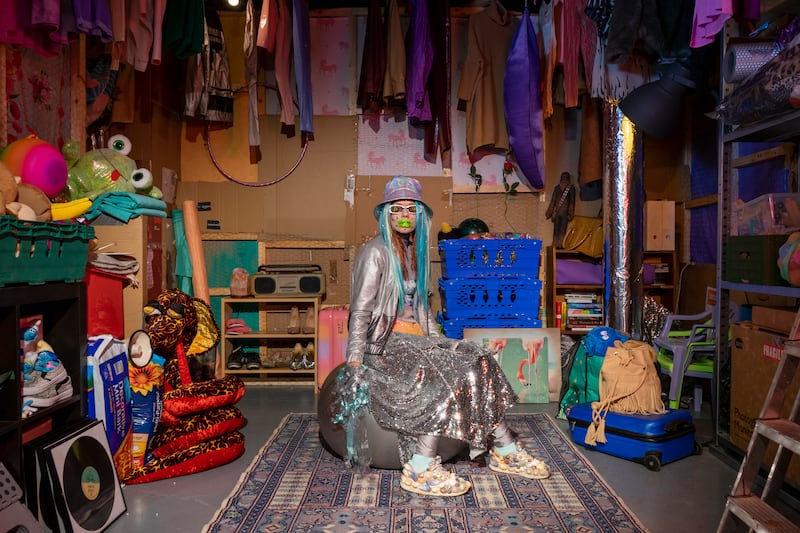

Ella Bertilsson tracked inner worlds with a cool but sparkly eclecticism, and Kathy Tynan’s paintings were assured explorations of everyday intimacies. Emily Waszak, the ultimate winner, tracked the rituals of grief through weaving, with a delicacy that found a more recent echo in Cecilia Vicuña’s Reverse Migration (at Imma until July 5th, 2026).
Archipelago
Royal Hibernian Academy, Dublin, September-December
Photography had a good year in 2025. PhotoIreland’s ambitiously named International Centre for the Image opened in Dublin’s Docklands in July, while Photo Museum Ireland’s strong programming continued, including with Maija Tammi’s Empathy Machine, which runs until February 1st, 2026. The winners of its Young Photographer Awards were installed in an outdoor exhibition at Wilton Park, and are on view until spring 2026.
While smartphones have made photography both ubiquitous and mundane, Archipelago, at the RHA, was evidence of the wealth the medium can achieve. Seventeen artists, including Conor Horgan, Kate Nolan, Fionn McCann, Agata Stoinska and Ruby Wallis, slowed time through the fraction of a second’s flash of light on a lens.
Dublin Gallery Weekend
Various venues, November
After two years in its current incarnation, Dublin Gallery Weekend finally took the obvious step of including the public galleries and institutions, such as Imma, Project, Temple Bar and the Douglas Hyde, alongside their commercial cousins. “Commercial” is a clear misnomer for the labour of love involved in running a gallery funded by sales of contemporary art, but widening the field added to the energy of what had previously been a more niche celebration for those who would probably have gone anyway. If you fall into the category of those who need an extra nudge, this should be it. Ireland’s artists survive on the support of galleries, institutions, funders and you. Go, see, fall in love, buy.