Donegal-based Éabhlóid published more books in 2025 than ever before. The lively Cló Iar Chonacht brought out almost a dozen and the other major Irish language publishers, Leabhar Comhar, Leabhar Breac, Futa Fata, An Gúm, Arlen House, Barzaz and others, have produced several. This good health reflects the zeitgeist; Gaeilge is possibly more popular now than at any time since the heyday of the Revival. Let’s hope that, as well as loving the language, people read it. There’s no better way to learn.
A barometer of the vigour of any literature is the quantity and quality of its fiction. I warmly recommend Fiche (Leabhar Breac) by Colm Ó Ceallacháin, psychologically convincing with a gripping storyline. Seán Ó Muireagáin’s Sí (Éabhlóid) describes the life of two Gaoth Dobhair women, Hannah and Bríd. Banshee-like powers enable them to foretell murders and suicides, with dramatic outfall. Brían Mac a’Bhaird’s An Cleasaí Dubh (Éabhlóid) is a collection of light-hearted and often comic stories in which dogs nd trickery abound. The Gaeilge in all of the above is accessible to anyone with a reasonable grasp of the language.
More challenging are Micheál Ó Conghaile’s beautifully lyrical An Bhlaosc sa mBois (CIC), a fresh angle on the Tuam babies scandal, and Bódlaer author Darach Ó Scolaí’s latest, a novella, Sadhbh (Leabhar Breac), a retelling of a 16th-century story, exhibiting his sterling stylistic and satiric gifts in rich Irish.
Young Adult books are enjoying a vogue. Annemarie Nugent’s An Seol Atá Fút (CIC) is an engaging teenage lesbian love story mostly set in the context of a summer sailing camp. Her exploration of teenage anxieties is sensitive and convincing. Áine Ní Ghlinn’s Cairdeas agus Cogadh (CIC) also deals imaginatively with LGBT issues, particularly bullying, in a sports setting – the more usual one of football, which crops up in a number of the books, Seosamh Céitin’s Na Bróga Peile agus Scéalta Eile (CIC) being a case in point. This collection of short stories is crossover, but focuses largely on the lives of young people. Settings range geographically and historically – Australia, England are evoked as well as Irish places and the book includes a useful glossary.
READ MORE



Eamonn Ó Loingsigh, Evan agus Emily agus scéalta eile (CIC) also has a strong football theme. An Cailín Ón Eastát, for instance, deals with the challenges a girl of African parentage faces when she wants to play Gaelic football. Her folks don’t like any football – rather like me. But there’s much more to this book than sport.
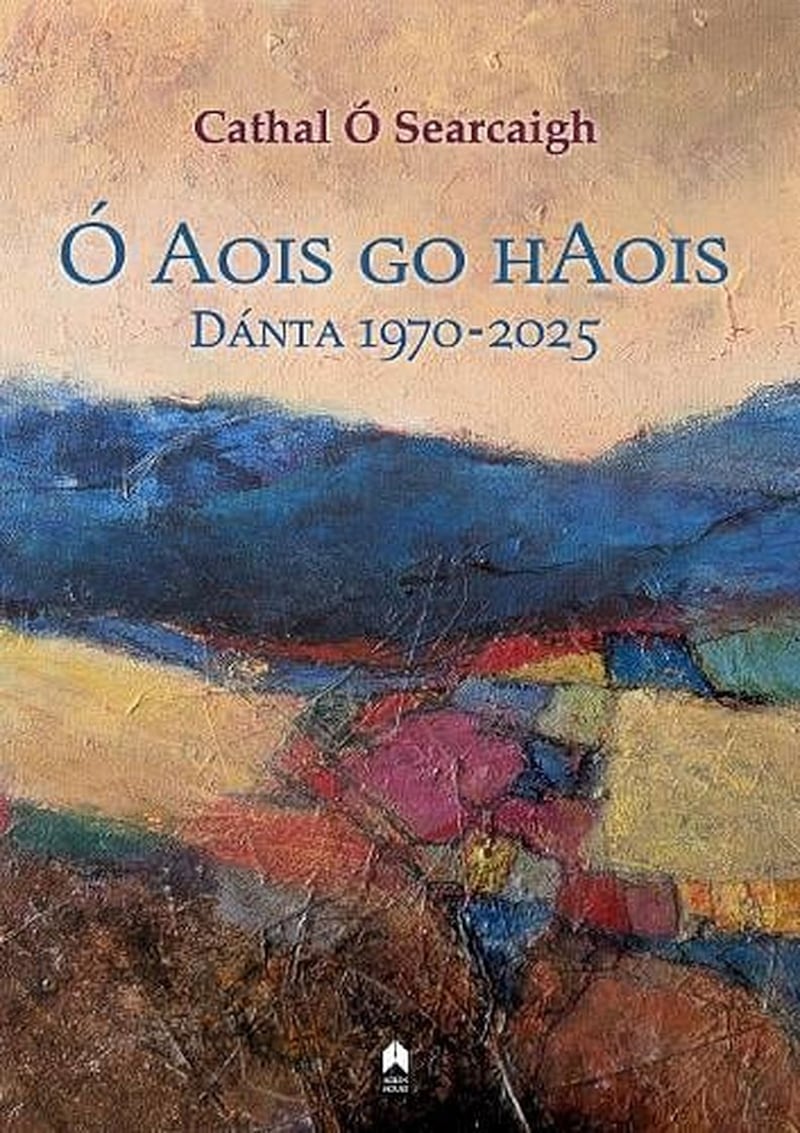
Undoubtedly the biggest book of the year is Cathal Ó Searcaigh’s collected works, Ó Aois go hAois 1970-2025 (Arlen), a stunning doorstopper, containing about 900 poems. Another striking poetry collection is Diarmuid Johnson’s Conamara agus Tíortha Eile: Rogha Dánta 2015-2025 (Leabhar Breac). The rogha includes poems in six different languages – Welsh, Breton, Irish, English, French and German, as well as translations to Irish from these and some other languages. Nature, poems in memory of departed friends, music and football: a smorgasbord of topics as well as tongues.
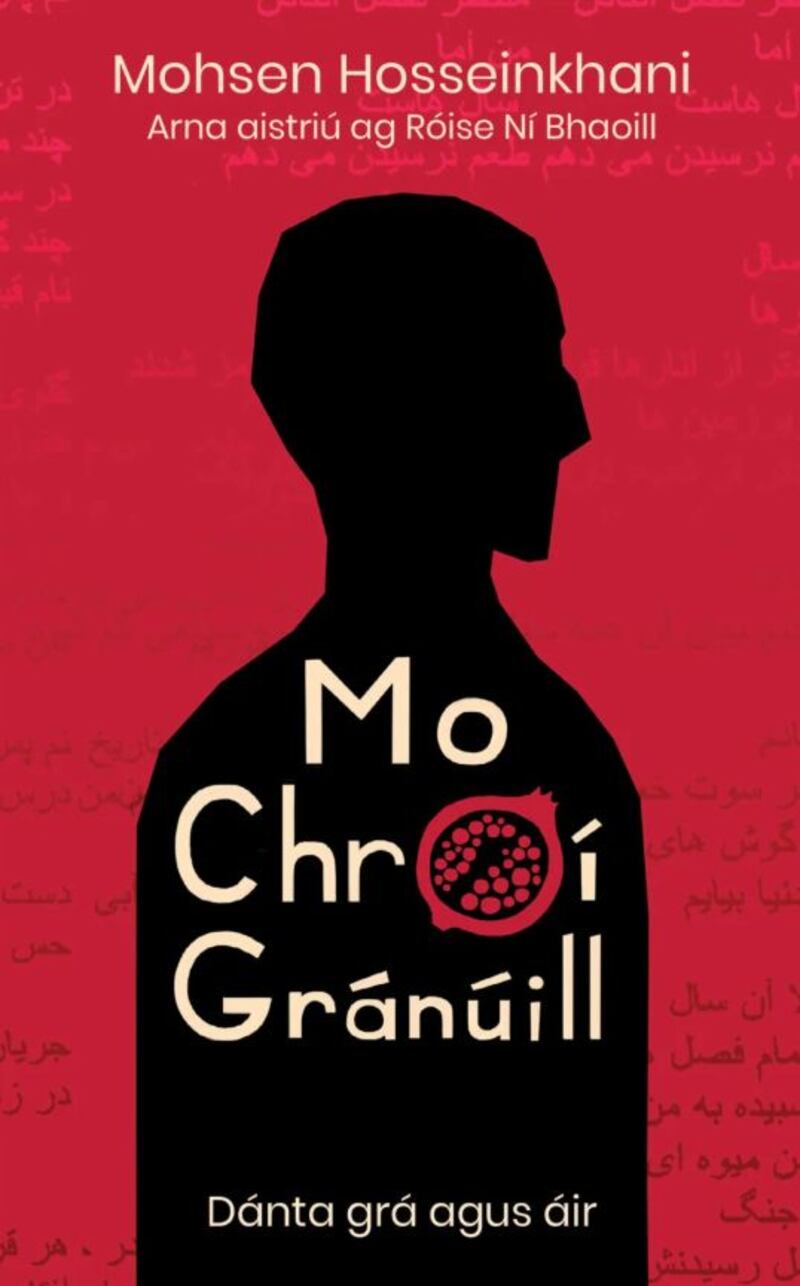
Further evidence of the linguistic bravado of Irish-language publishers is Róise Ní Bhaoill’s translation of a collection by the Iranian Mohsen Hasseinkhani, Mo Chroí Gránúill, Dánta grá agus áir (Éabhlóid).The original Farsi texts are printed opposite the translations. Mainly short, affecting love poems, some also reflect the troubled political situation in Iran.
Bi-lingual Celia De Fréine, in Aibítear Aoise: Alphabet of an Age (Arlen) writes in Irish and English, using the Gaelic 18-letter alphabet to present a series of poems on many topics – the E poem is entitled Éilís Ní Dhuibhne, so what’s not to like! Widely versed in art and literature, she is one of the most cerebral and distinctive of our poets.
Róise Ní Bhaoill’s Dordéan (Éabhlóid) sticks to just one language, but her poems reflect events and places around the world – Japan, Jordan, the US, among other countries. Lovely little humming birds decorate this handsome, slim volume. Laoighseach Ní Choisdealbha’s second collection Mainistir Na Feola (Barzaz) covers themes relating to the body, on trend, and less on trend but possibly more interesting, religion. The Gaza situation is not overlooked, in one fairly nuanced poem which may stimulate discussion about the controversial issue of culture – and person – cancellation.
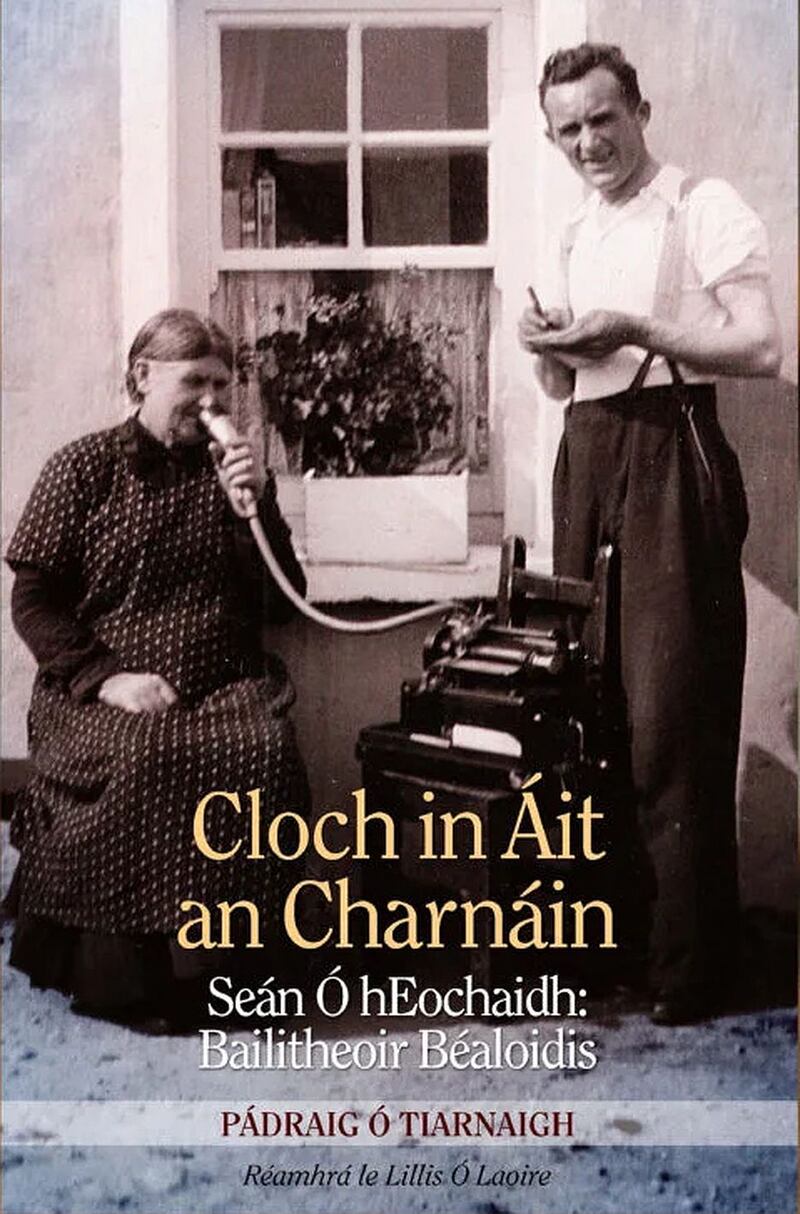
Non-fiction works of note include Cloch in Áit an Charnáin {Éabhlóid) by Pádraig Ó Tiarnaigh, an account of the work of Seán Ó hEochaidh, a full-time collector for the Irish Folklore Commission – an absolute must for anyone interested in Irish folkloristics, or Donegal, or just Ireland. Glór ón Sceilg: Scríbhinní le Mícheál Ua Ciarmhaic (Cork University Press) is an outstanding book, lovingly edited by Máirín Nic Eoin and Mary Shine Thompson.
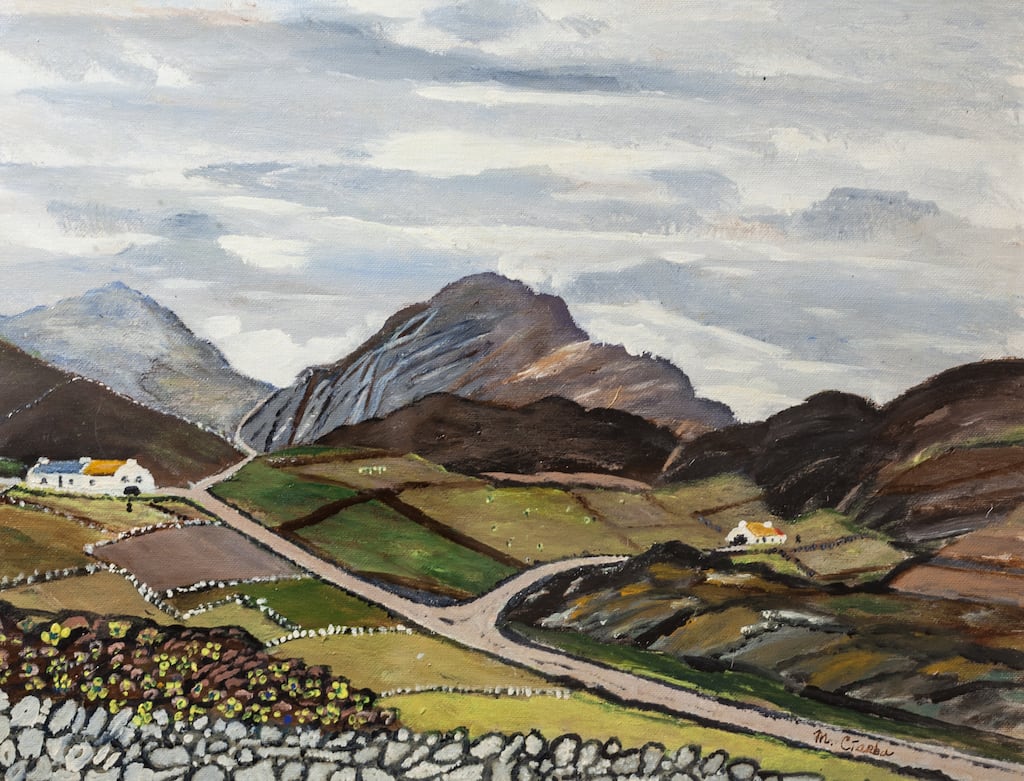
Ua Ciarmhaic (1906-2005) published eight books, prose and poetry, although he started writing when he was already 80! This is a wonderful taste of his work, much of which has an ecological focus, as well as the more usual ethnographical memories. Ua Ciarmhaic was a gifted painter as well as writer and several of his semi-naivistic pictures are reproduced.
Books about the quirks and delights of the Irish language abound, fun but not always entirely reliable. But Fá Bhruach an Chladaigh: A Treasury of Martime Teminology (Éabhlóid) by Cormac Mac Giolla Easpaig, is both entertaining and accurate, based on years of collecting from fishermen and others in the West Donegal Gaeltacht. Replete with drawings of birds, fish, crustaceans and boats, it’s a real gem.
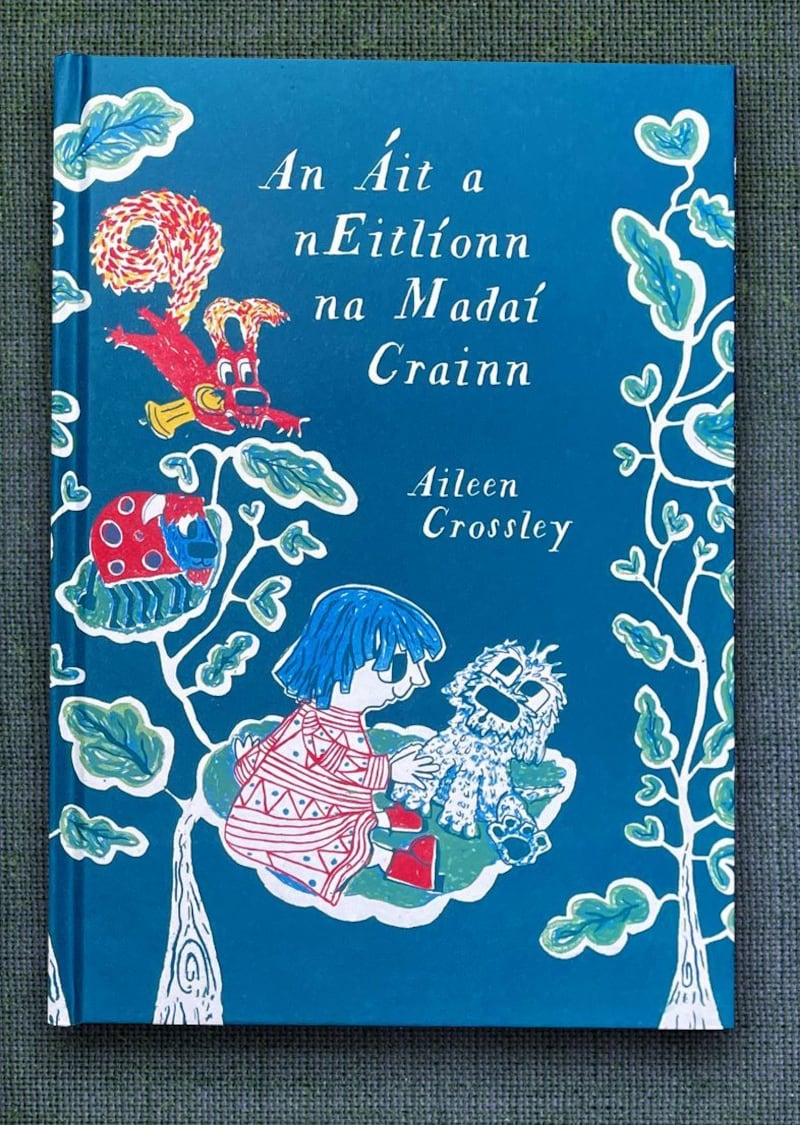
As always, many delightful books for younger children have appeared. Cló Iar Chonacht has published a raft of translations of beloved English originals by Eoin Colfer, Oisín McGann and others. Aideen Crossley’s An Áit a nEitlíonn na madaí Crainn (Éabhlóid) is spectacular, and I loved Gabriel Rosenstock’s translation, Tá Cearta ag Leanaí Freisin! (one of several books by him this year). Lucia Serano’s Is Leat Féin do Chorp (Mercier) also focuses on children’s rights – in this instance, the right to bodily integrity. Children’s books as Gaeilge are good Christmas presents. For Dubliners, a visit to An Siopa Leabhar on Camden Street could be a gentle start to the Santa trudge. Love Leabhar Gaeilge is a great website for information – and all the books mentioned here can be ordered online from the publishers.
Éilís Ní Dhuibhne is a writer and critic. She is the current Laureate for Irish Fiction