
Some 200 tiny natterjack toadlets, bred in captivity in Fota Wildlife Park from tadpoles, were released on Tuesday back into ponds on a farm in Castlegregory, Co Kerry.
This year’s wet spring and even the extreme warm temperatures in June are thought to have favoured Ireland’s only native toad – the natterjack, named after the sound of his distinctive mating call, and native only to Kerry.
The distinctive striped natterjack toad (Bufo calamita), which runs rather than hops, is under threat from changing agricultural practices including land reclamation as well as climate change.
Over the past 10 years, the natterjack toad project in collaboration with the National Parks and Wildlife Service, local farmers and the Dingle Aquarium to save the toads has seen shallow ponds dug in farms in the Castelmaine Harbour and Castlegregory area where the toad was once plentiful.
READ MORE


There are thought to be just 10,000 native toads now in the area.
The breeding of toadlets in captivity began seven years ago as part of the rescue project. It involves NPWS collecting spawn and eggs from ponds and bringing them to Fota and Dingle Aquarium, and then rearing them in special holding tanks.
In the extreme hot conditions of late May and June the collecting was accelerated to rescue the tadpoles as the ponds dried up.
The captive breeding project has been shown to reduce their mortality rate to as low as 25 per cent, the NPWS said on Monday.
Dr Ferdia Marnell of the NPWS toad project said altogether this year the number of toadlets released in Co Kerry is 1,600.
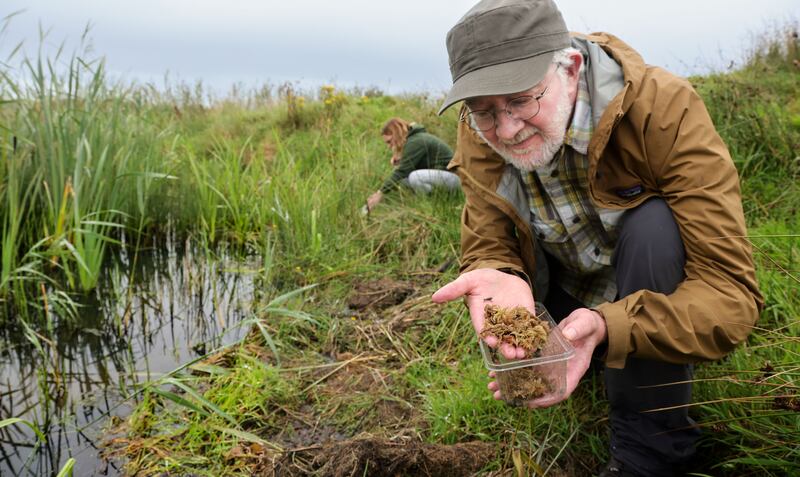
“Unlike last year, this year the weather has worked in favour of the natterjack, with a wet spring followed by warm temperatures in June. We saw the successful metamorphosis of toadlets in high numbers around Castlegregory. This is good news for a boom or bust species like the natterjack. We hope to see this year’s toadlets return here to breed over the coming years and reclaim their former home,” Dr Marnell said.
Stings of toad eggs are visible along the dunes in May and June but many do not reach metamorphosis stage because ponds dry out or there are predators about.
The native toads – one of only three amphibians on this island – are part of the native food web keeping down pests like mosquitoes and are an important part of both the aquatic and land environments, as they are amphibians, Dr Marnell said.
The fine weather in June may in fact have spurred the eggs and tadpoles to develop quicker, he said.
“Biodiverse farming is the way farming is going and people are really interested,” Mr Reidy said.
Minister for Heritage Malcolm Noonan on a visit to the ponds in Castlegregory praised “the support and enthusiasm” of the local community.
”The habitat here in Castlegregory is unique and the efforts of local farmers to enhance it by creating ponds will undoubtedly have a positive impact on the fortunes of these beloved amphibians,” he said.
Over 9,000 natterjack toadlets bred in captivity have been released over the past seven years under the captive breeding programme.


