
Driving along the bog road from Clifden to Roundstone recently, I saw a strange shape perched on a rock looking over the bog. On closer inspection it was a huge eagle, the size of a big lamb or a two-year-old child. I am not sure what type it is. – Cliodhna Prendergast, Co Galway
It is a young white-tailed eagle – haliaetus albicilla, also called a white-tailed sea eagle or iolar mara. It is fully grown in size – with a wingspan of 240cm, it is the largest of our two eagles. Confusingly, young white-tailed eagles don’t have white tails; they only acquire them in adult plumage, which can take six years. Even more confusingly, young golden eagles do have white tails (albeit with a dark band at the tip), though the adults do not. White-tailed eagles were re-introduced here in 2007 and are successfully breeding here now. While they can and do catch fish from the water with their talons, they will eat other prey and indeed will feed on carrion as well.
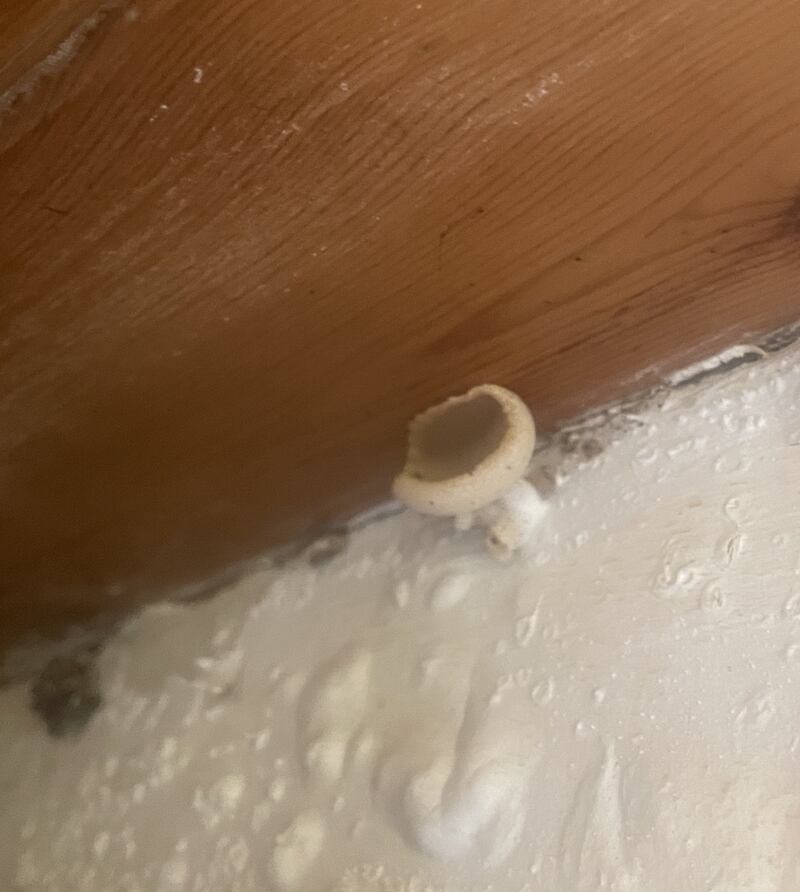
These mushrooms appeared inside in the house high up on the back wall after a whole night of torrential rain during the current wet season. They seemed to grow overnight. They were really jelly-like to feel. Should I be worried? – W Dwyer, Clonmel
This is most likely peziza domiciliana – a cup fungus – and yes, you should be worried. This fungus grows on water-saturated substrates, and its presence is a warning sign of extremely damp conditions. It can grow up to 5cm in diameter and sometimes appears overnight. While peziza fungus itself does not destroy wood, it thrives where water ingress or high damp levels exist. So instead of just worrying, do something positive like finding and fixing the site where the rainwater is coming in.
READ MORE

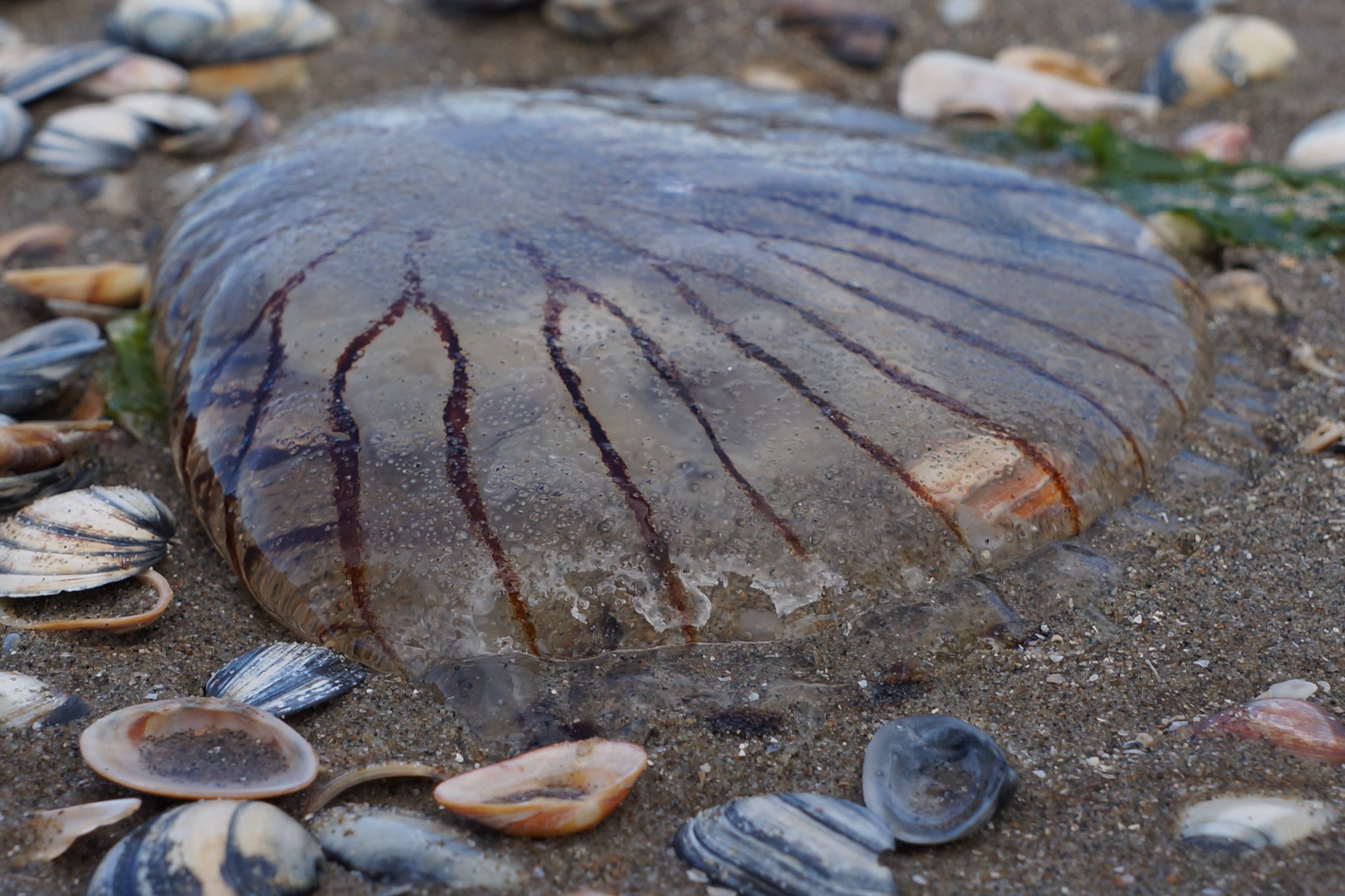


I found this unusual creature while walking along the beach at Helen’s Bay. We’ve had a period of stormy seas, so I’m wondering if it’s brought something unusual to our shore. Is it a jellyfish or some kind of mollusc that’s lost its shell? – Helen Armstrong, Co Down
This is a large sea slug called pleurobranchus membranaceus – the highland dancer. Its shell is internal and it has a membranous shield on its upper side and a large mantle on the lower side. It can swim upside-down using this mantle, the movement of which apparently resembles a dancer’s kilt.

This interesting globe-shaped fungus is growing in my parent’s garden in Donaghadee, Co Down. It is located on the lawn under the branches of a cherry tree and seems to be made up of many individual, overlapping parts. Its dimensions are approximately 8cm wide by 8cm tall by 8cm deep. What is it? – Chris Wright
It may be interesting, and globe-shaped, but it is neither growing there nor is it a fungus. The mycologist Tom Harrington has concluded that it is the empty egg cases of a whelk, which is a marine mollusc. This light structure was either blown in by the wind or dropped by a passing sea bird.

My boys and I explored the shore of Sandycove after our huge easterly seas recently and we discovered this amazing looking creature among the debris of the usual crabs and molluscs. It was about 10cm long and slightly pearlescent on the sides. – Fiona Snow, Co Dublin
This is a sea mouse – a large marine scale worm. It is so called because its body is covered with a “fur” of brownish-grey hairs. The bristles along the sides of the body have an iridescent sheen. It lives in the mud at the bottom of the sea and feeds on small crabs and smaller worms.
Please submit your nature query or observation, ideally with a photo and location, via irishtimes.com/eyeonnature or by email to weekend@irishtimes.com


