
Dublin is now the 11th-most congested city in the world, according to a new report, with a transportation academic warning the capital is “skating on thin ice”.
Dublin city was described as one of the “big movers” in 2025, having risen four places from the 15th spot in the global congestion rankings.
The report from Inrix, a US-based transport data and analytics company, analysed 942 urban areas across 36 countries, and ranked those cities using “actual, observed trips”.
Drivers in the capital were delayed by an average of 95 hours this year, an increase of 17 per cent when compared with the 81 hours lost to congestion in 2024, and a 32 per cent rise from 2023.
READ MORE
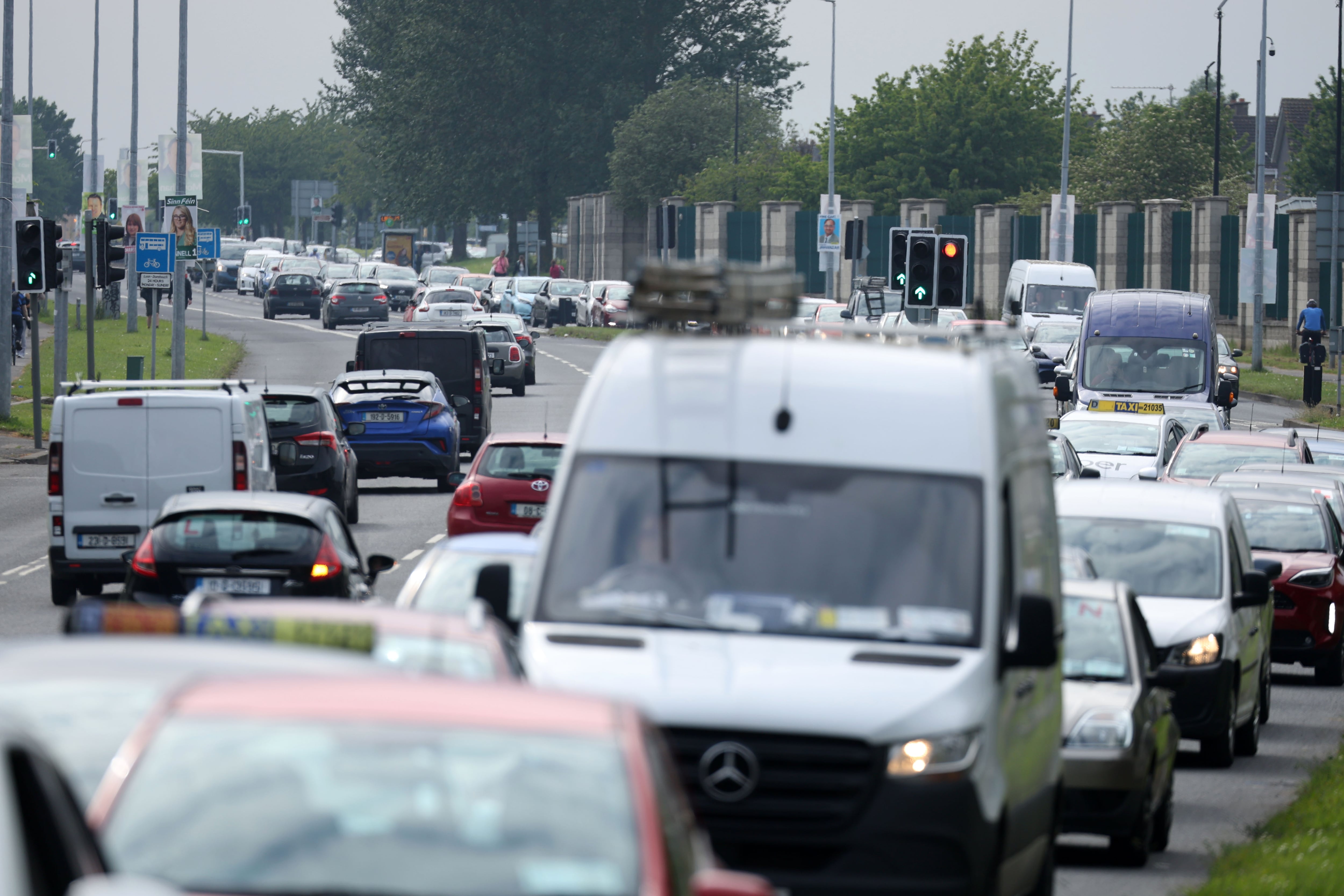


Dublin also remained the third-most congested city in Europe, behind Paris and London, both of which saw decreases in the average hours lost.
Galway, meanwhile, was the 71st-most congested city in the world, with motorists losing an average of 62 hours this year, down 7 per cent from 2024.
Traffic congestion continued to grow globally, with 62 per cent of the urban areas analysed having an upward growth in delay, compared with 55 per cent in 2024.
Istanbul, Turkey’s largest city, retained the number one spot as the most congested city in the world, with drivers losing an average of 118 hours.
In a statement, the Department of Transport said it is “keenly aware” of the congestion challenges in Dublin.
Noting that the time lost to congestion has significant economic costs, a spokeswoman said the personal costs are “just as concerning”.
She said encouraging a shift from private cars to public transport remains a “core priority”, adding the Government is investing in a “significant number of transformative projects” over the next five years.
Brian Caulfield, professor in transportation at the Centre for Transport Research at Trinity College Dublin, said Dublin’s ranking was “not surprising, given the amount of extra people that are living in the capital”.
“It’s the people cost of this, the cost of the partner left at home with kids while the other spouse is out going to work and they’re not getting back until after the kids are gone to bed,” he said.
This is alongside the economic cost associated with congestion, he added, noting the Department of Transport estimates this to be in excess of €1.5 billion per year by 2040.
“That’s a huge cost to our economy, it makes us very uncompetitive and means foreign direct investment is going to be harder to attract to a city that’s gridlocked.
“Nobody wants to live in a city like Dublin that has a housing crisis and a congestion crisis,” he said.
Noting that the Government did a “complete and utter 180” on its policy to spend a ratio of 2:1 on public transport and roads, he said this must be reversed.
“We stopped investing properly in public transport with ambition after the recession, and we’ve never gone back and invested in it the way we need to be,” he said.
Prof Caulfield pointed to a waste truck fire on the M50 in December that caused significant disruption and lane closures, while Luas services came to a halt after a power fault a week or so prior.
He said this illustrates the State’s transport infrastructure is “extremely vulnerable to any kind of shock”.
“We’re skating on thin ice, and if something goes, the whole city is in trouble,” he said.
Despite this, planned public transport projects, which “don’t even touch the sides of what we need”, have been delayed or pushed out, such as the Dart+ South West line and the Luas Green line to Finglas in north Dublin, he said.
[ Morning traffic peak in Dublin now worse than London, Dublin Bus saysOpens in new window ]


