
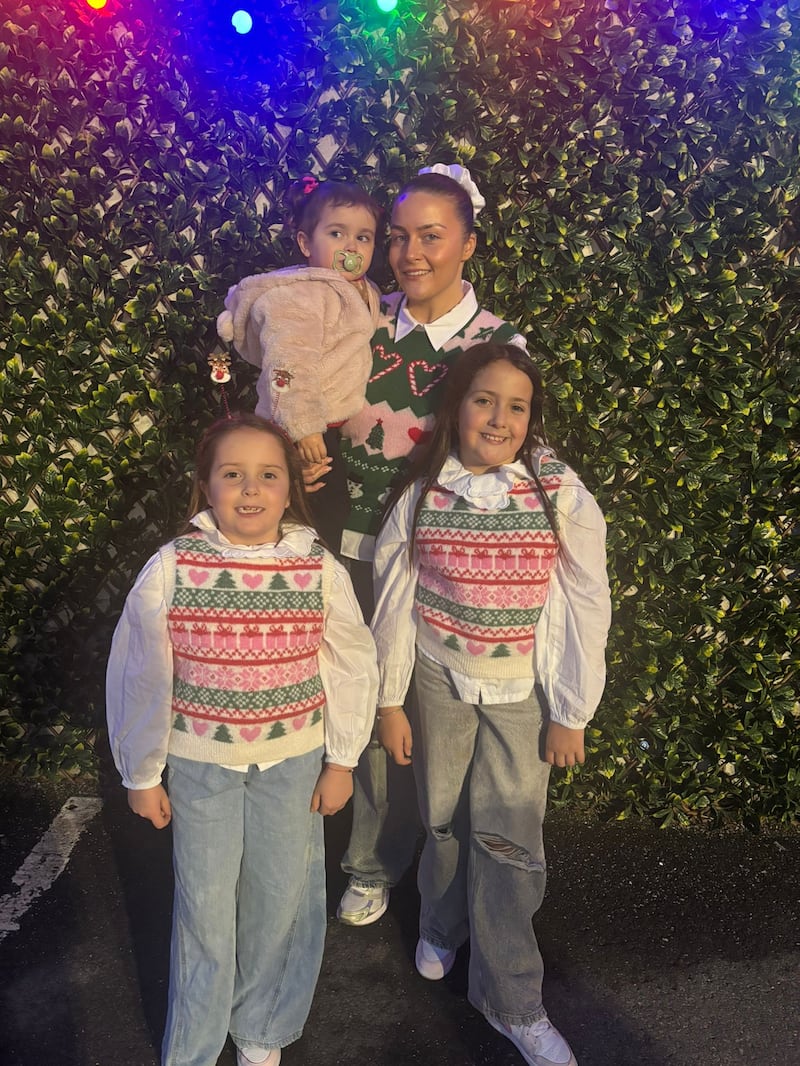
A little girl living in emergency accommodation in Dublin with her mother and two sisters wrote to Santa asking for a house this Christmas.
“No child should ever have to wish for a house off Santy. That just shows how unstable the situation is,” her mother Stacey Boyd (26) says.
Boyd and her three daughters Millie-Jae (10), Harper (7) and Priya (2) will be spending Christmas in emergency accommodation this year.
The family is one of thousands facing the same predicament. Latest figures show there are 16,766 people currently living in hostels, family hubs or other types of temporary accommodation. Of those, some 5,274 are children.
READ MORE


John O’Haire, head of family services at Focus Ireland, says that for many children this will be their second or third time spending Christmas in emergency accommodation.
“I have been working here for 25 years and I’ve never seen anything like the scale of the problem we have now. We are warehousing families on an industrial scale,” says O’Haire.
“It’s a totally abnormal living environment for children. They’re living their life by rules and regulations. It’s very difficult for them to have normal daily activities, friends coming over to visit, trying to do their homework.
“Our founder Sr Stan used to say: ‘Homelessness is a stage, it’s not a state.’ But that stage is becoming longer and longer, and what I’m seeing now is that children are growing up in homelessness, and then their life is unfolding in homeless accommodation,” he says.
For Stacey, this is the second time she and her children have experienced homelessness over the past two years.
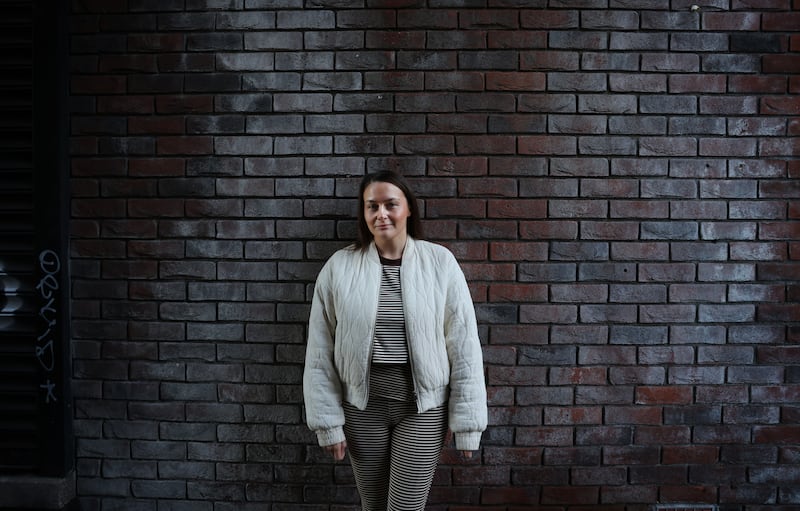
She managed to get out of emergency accommodation the first time by securing a rental property with the help of the homeless housing assistance payment (Hap).
The homeless Hap scheme is a top-up on the ordinary Hap scheme, which is designed for people on the social housing list and is paid directly by local authorities to private landlords.
Homeless Hap is run by the Dublin Region Homeless Executive (DRHE) and allows local authorities to go 50 per cent above Hap rent limits for homeless households.
The rented house they secured on the homeless Hap scheme was in Cabra on Dublin’s northside where Stacey is from and life was easy there.
Her family lived nearby, the girls could play on the street and have their friends and cousins over to visit.
“Their school was only five minutes down the road, their dancing was just down the road. The GAA club was just down the road. Everything was close by,” she says.
However, the landlord decided to sell the house and the family was forced into emergency accommodation again in August this year.
“I was devastated. My kids were all crying. We thought we’d be there forever,” she says.
Facing another stint in emergency accommodation was “daunting”, she says, and they were “scared of the unknown”.
“You just don’t know where you’re going to be put, but it has to be done.”
They were initially moved into a single room, without a kitchen of their own, or a livingroom.
Since November they have had their own unit with two bedrooms, a kitchen and a livingroom.
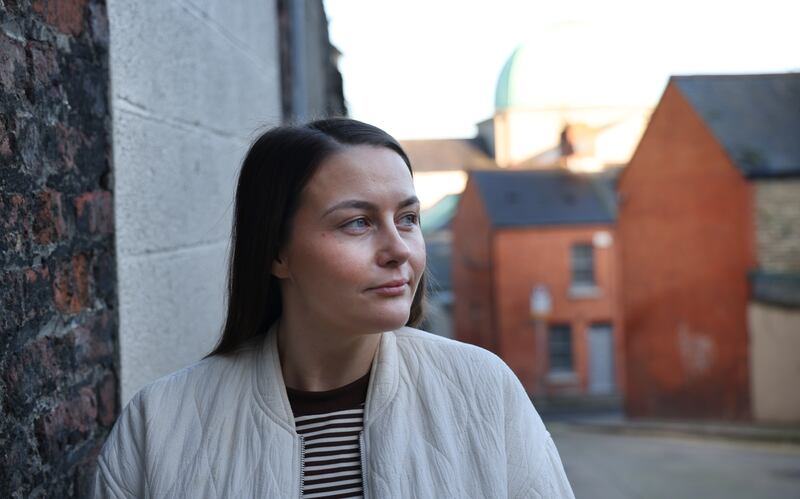
The accommodation is in a different area in Dublin 7 and Boyd does not feel safe walking in the area when it is dark.
The children’s school is a bus ride away and they have had to miss some of the extracurricular activities they enjoyed such as dancing and football because it isn’t practical to go out later in the evening.
The family is more isolated here and not being able to have visitors has had a big impact on them.
“It’s like you’re in prison. You have to sign in, sign out. They’re watching on the camera. You just feel like you’re being watched all the time, Boyd says.
“My house was always full, always full of kids off the road. Now they have nobody, nobody can come in and see it. My family can’t visit. They still see their family, but it’s not the same when people just come into your house,” she adds.
She says they put their own Christmas tree up, which “makes it feel a bit more homely.
“But I don’t know how I’m going to manage Christmas here; I try to blank it out of my mind,” Ms Boyd says.
“Normally on Christmas morning their cousins would come down to my house. Now they’ll probably spend it in their nanny’s and I’ll probably spend it in my sister’s. We’re probably not going to be spending it together,” Boyd says.
While this festive season is going to be difficult for her and her young family, she remains hopeful for their future together.
“Every time I leave the house the kids ask me: ‘Are you going to get a house?’ and I say: ‘No, but one day we will’,” she says.
“My only hope for the future is that me and my kids will have a stable home, and that we won’t ever have to worry about this again.
“I know that one day we will have that. I will make it happen.”


