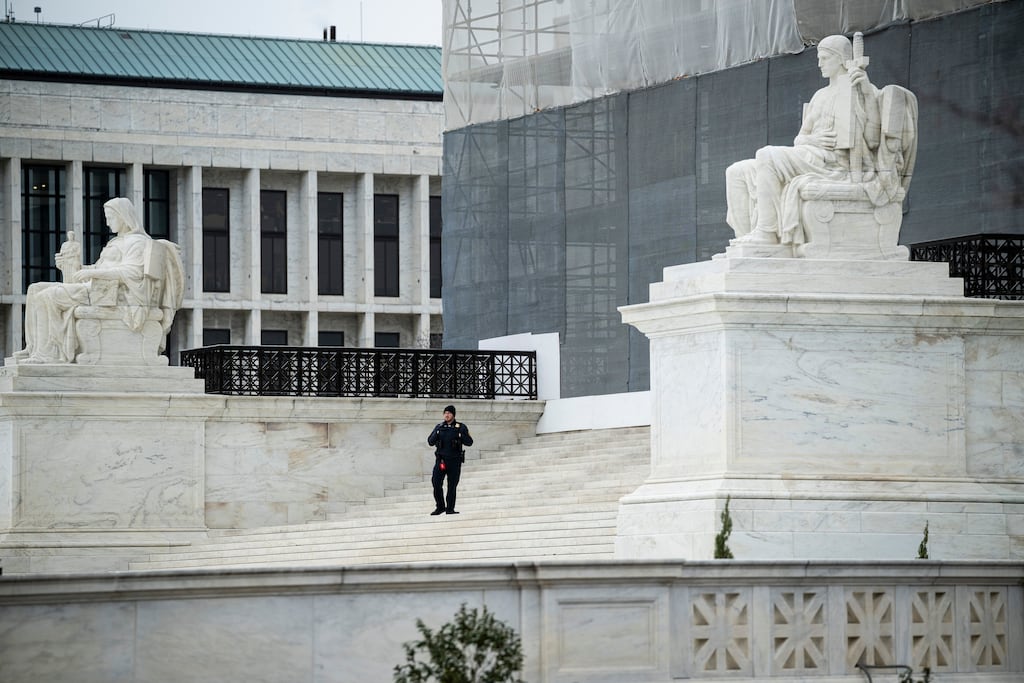
A decision is expected any day now from the US Supreme Court on the legality of many of the tariffs imposed by US president Donald Trump. At issue is whether he exceeded his powers when he unilaterally imposed blanket tariffs on a string of countries under the International Emergency Economic Powers Act. Sectoral tariffs in areas such as steel and automobiles will not be affected by this ruling, as they were imposed under different legislation.
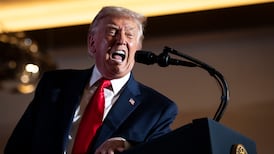
Trump has gone much further than any recent president in terms of the scale of tariffs he has employed and his bypassing of Congress in doing so. It was always understood that the president had certain powers to impose tariffs without recourse to Capitol Hill, but not on anything like this scale. The decision is thus a key test of independence for a Supreme Court which includes several Trump nominees.
Many legal experts expect the court to rule for the companies who have objected, after lower courts found in their favour. It remains possible that it will feel it should not interfere in the exercise of powers by an elected president, though hearings of the case indicated scepticism by some of the justices on the administration’s case.
Winning would be a big victory for Trump and underline his ability to bypass many of the traditional checks and balances on presidential action.
READ MORE



Losing the case would be a serious blow to the president, undermining one of the central elements of his economic policy and dealing a heavy blow to the US exchequer. Not only would these tariff revenues fail to arrive in future, but the court could well order repayments to be made to companies who had already been hit, including a range of Irish exporters.
The Trump administration has said it would find other legislation under which it could proceed with the tariffs. But this would be far from straightforward and could face further legal challenges. And the uncertainty could damage investor confidence in US assets, as an already-wide budget deficit would be set to increase further.
For Ireland and other countries exporting to the US, any permanent reduction in tariffs would be welcome. However, there would be uncertainty created about the US/EU trade deal – were Trump to lose. The president could hike sectoral tariffs to try to make up some of the lost revenue and renew his focus on areas such as pharmaceuticals, which are central to Irish exports and to corporate tax revenue. The administration is also threatening action on the regulation of US tech companies in the EU.
Tariffs are a bad policy and their impact on inflation in the US is already hitting consumers and businesses and leading to political difficulties for Trump. A negative decision would give him the option of pulling back on this dangerous policy. Unfortunately, he would be unlikely to take it.