Ireland’s enterprise support landscape is one that has seen significant growth and diversification as it has evolved over the past two decades.
Today, Irish businesses have a slew of options if they wish to start up, grow and scale in international markets. But some say more could be done, as significant gaps remain for businesses wishing to scale successfully.
Colm O’Callaghan, partner, PwC Private, points out that Ireland’s enterprise support system has shifted from a foreign direct investment-centric model to a more balanced approach that nurtures indigenous businesses alongside multinationals. “It is now a comprehensive ecosystem combining grants, equity funding, and tax incentives.”
Ireland’s pro-enterprise tax regime – anchored by the 12.5 per cent corporate tax rate – has remained a cornerstone of the support landscape not only for indigenous businesses but also multinationals, O’Callaghan says.
READ MORE


When complemented by schemes like the R&D Tax Credit, now 35 per cent from 2026, the Knowledge Development Box which has a 10 per cent rate on qualifying intellectual property (IP) income, and Start-Up Company Relief, which is up to €40,000 annually for five years, he believes it’s clear that Ireland’s tax policy has been shaped to support the growth of Irish enterprises. “These measures, alongside EU-aligned reforms and sustainability-linked supports, have made Ireland a competitive location for scaling and growing a business.”
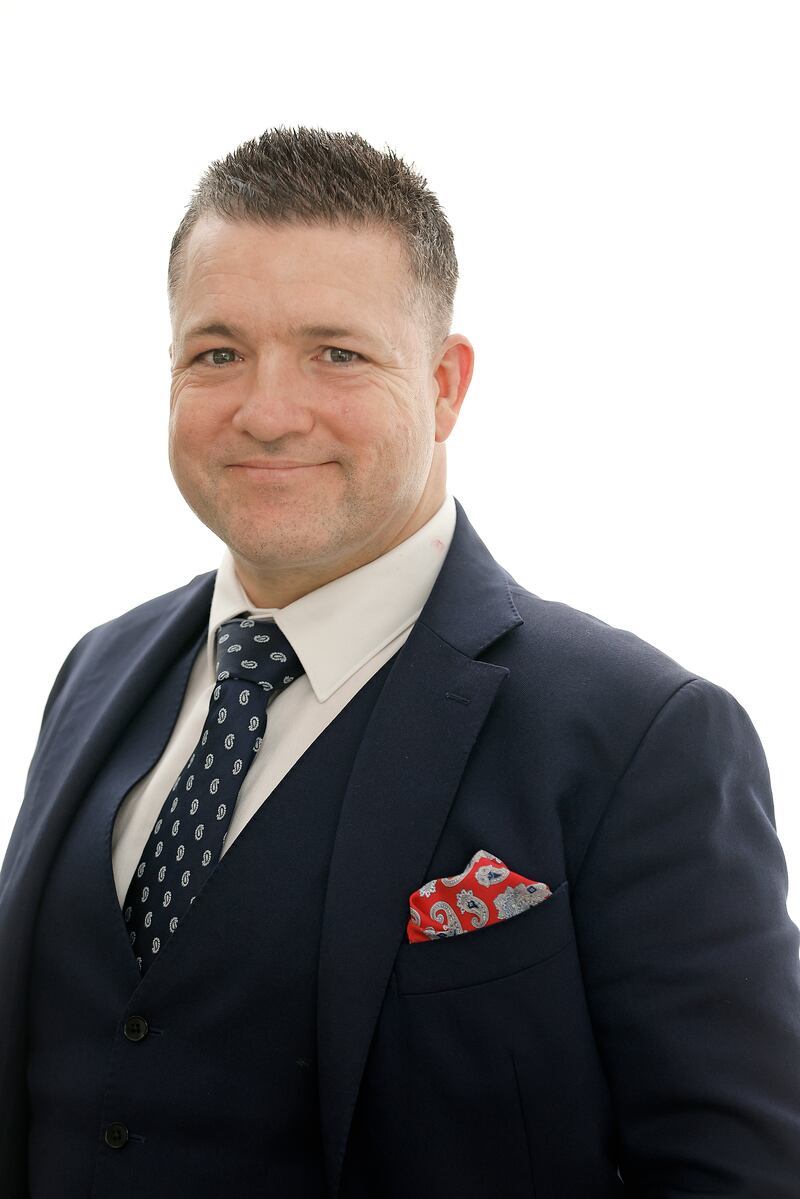
According to Niall Savage, head of private enterprise at KPMG in Ireland, Ireland’s enterprise support landscape is the “envy” of many countries, encompassing not only enhanced state support but also an increased availability of diverse funding sources beyond traditional banking, including private capital.
For example, Enterprise Ireland has transformed from providing basic grants to developing a comprehensive support network tailored for start-ups, high-potential firms, and research and development initiatives,” Savage explains.
He says the enterprise development agency’s investment of €27.6 million in support for 157 start-up companies in 2024 exemplifies its commitment to nurturing the entrepreneurial ecosystem.
In terms of newer forms of capital (non-banking), Savage says the most notable feature is the prominence of private equity investing earlier in businesses. “While difficult to quantify exactly, the number of assets under management by private capital has tripled in the last decade while IPO listings have significantly declined,” he notes. “This trend underscores the growing confidence of investors in private capital as a viable avenue for generating returns.”

Yet O’Callaghan maintains that gaps remain when it comes to scaling finance and administrative complexity. He says indigenous firms often struggle to access large-scale equity funding, with shortfalls identified for growth-stage investments. “For example, many scaling companies express the challenges of bridging the funding gap that arises between Seed and Series A funding,” he says. “And while tax incentives like KEEP (Key Employee Engagement Programme) and EII (Employment Investment Incentive) exist, they can be cumbersome for SMEs to navigate, limiting uptake.”
O’Callaghan also points out that Ireland’s reliance on multinationals heightens the need for a broader indigenous focus to locally grow future world-leading businesses. “Infrastructure constraints and rising costs compound these challenges, and while tax reliefs ease early-stage burdens, mid-tier scaling companies need more targeted measures to compete globally.”
Future evolution should combine financial innovation with streamlined tax supports, he asserts. “Expanding the various funds available to support scaling businesses and helping to foster larger domestic venture capital pools will address equity gaps. On the tax side, enhancing KEEP and EII usability, increasing thresholds for Start-Up Relief, and maintaining competitive R&D credits will be critical.”
O’Callaghan also believes that targeted incentives for green and digital transitions – such as extended accelerated capital allowances – would help to future-proof Irish businesses in the longer term. “Finally, ensuring a more simplified compliance process for SMEs would strengthen competitiveness and ensure Irish firms can scale globally while sustaining economic resilience,” he adds.
Savage agrees that the most significant issue is the scaling finance gap, saying many firms struggle to access essential growth capital to invest in sustainable growth. “Additionally, rising labour costs and excessive regulatory burdens pose challenges for SMEs,” he says. “To foster domestic businesses and entrepreneurs, it is crucial to address these areas through enhanced financing and improved support for innovation.” This approach, he says, will ensure that firms can scale effectively in international markets, ultimately driving further economic growth and resilience within the Irish economy.
“It must be easier to access state support and reduce red tape for businesses,” Savage says. “Encouraging entrepreneurs to stay the course by allowing them to take some money off the table to reward their hard work efficiently without selling their businesses would in our view be beneficial.”