The Irish economy has been at or near full employment for several years, yet employment growth has continued. With employment now at record levels and digital disruption accelerating, employers are under increasing pressure to find and keep the talent they need.
This has made the battle for skills and talent more intense than ever. Although Ireland’s strong labour market signals a resilient economy, it has also exposed structural pressures for organisations competing for people with the right capabilities. Rapid technological change, shifting employee expectations and a scarcity of specialist digital skills mean employers are having to rethink how they attract, develop and retain talent.
What strategies can employers deploy to attract and retain key talent in an extremely competitive market?
The skills competition has been on business leaders’ agendas for many years now, says Laoise Mullane, director and AI adoption lead, PwC Ireland. “PwC’s 2025 CEO Survey found that 91 per cent of Irish business leaders are concerned about having workers with key skills, indicating that the competition for talent is increasing. The pace and extent of disruption, largely driven by technology and geopolitical forces, continues to be a driving force in the competition for skills.”
READ MORE
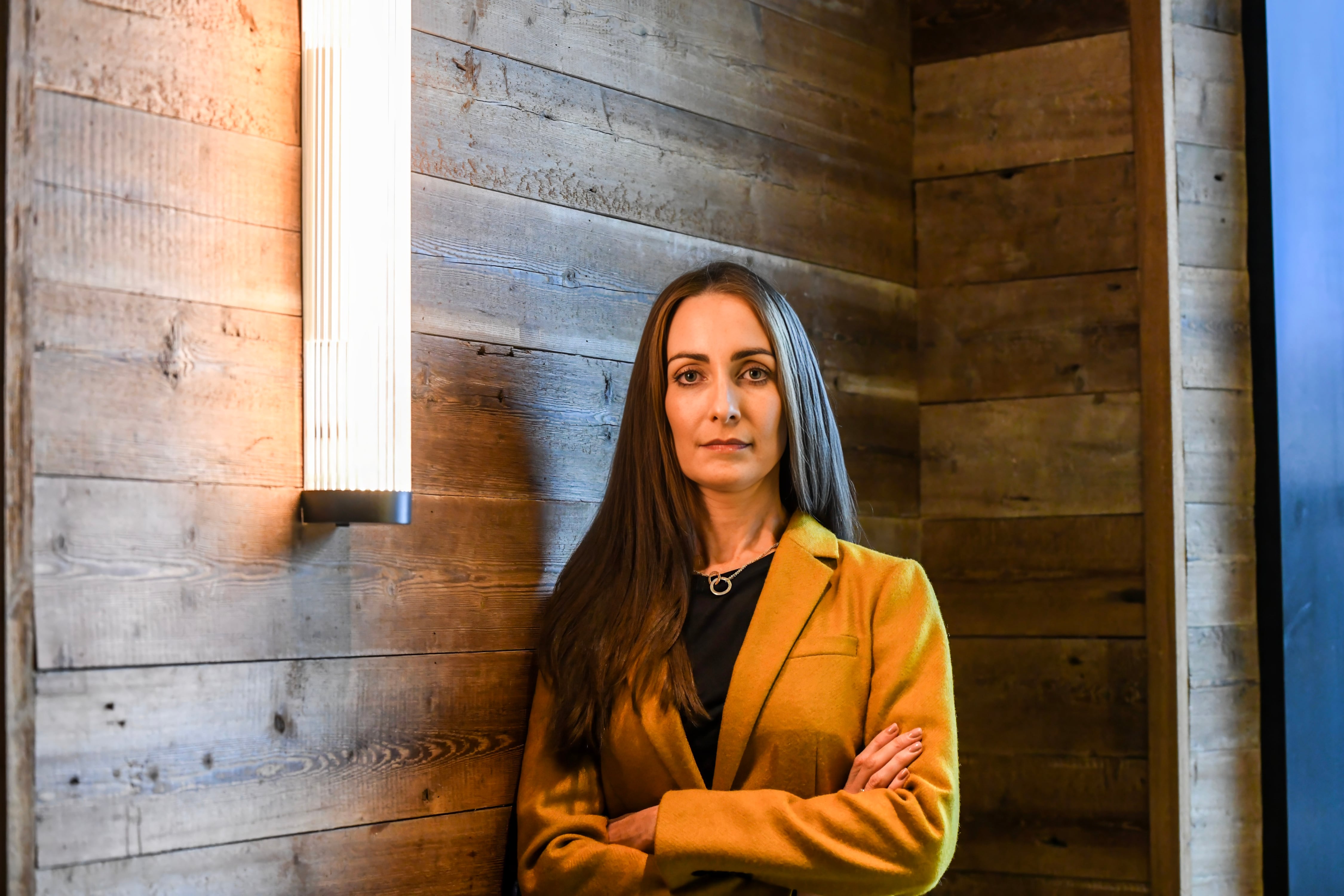



Candidates are selective; those who join KPMG tend to ask detailed questions about the nature of work, the training opportunities, career path clarity and the variety of clients they’ll be working with it, says Laura White, that company’s head of experienced hire recruitment. “They also ask about culture, as it’s an important differentiator. So, employers should be ready to engage in deeper conversations from the start, not just on salary, but on topics such as wellbeing, growth potential and professional development.”
The competition for talent is an ongoing challenge for organisations, one that requires exploring alternate solutions, says Mullane. “Organisations that have willing, enthusiastic workers who have an extensive knowledge of their organisation and sector should explore opportunities for upskilling and reskilling, particularly where capabilities are particularly scarce.”

Beyond the private sector, public research bodies are also working to widen the talent pipeline in areas of strategic importance. For Research Ireland, data is critical to the organisation’s understanding of priority areas, skills needs and gap analysis, says Dr Roisin Cheshire, head of individual-led research at Research Ireland.
“International recruitment is a key focus for Research Ireland with the recently opened Global Talent Ireland initiative, a bold new initiative to attract outstanding international research leaders to Ireland’s higher education institutions and public research bodies,” she says. “The initiative will provide the resources needed to establish or relocate world-class research teams in Ireland, enabling them to carry out globally competitive research.”

PwC’s 2025 AI Barometer found that the skills sought by employers are changing 66 per cent faster in occupations most exposed to AI, up from 25 per cent previously, Mullane says. “When it comes to advanced digital skills, demand is outpacing supply, especially for roles requiring AI specialisation.”
A recent survey indicates that employees place a premium on upskilling opportunities, and yet just 57 per cent of Irish workers have access to the learning and development resources they need, Mullane adds. “Ensuring appropriate guardrails are in place and providing equal access to these technologies is key.”
Research Ireland runs several “bottom-up” open programmes that are available to people in all areas of research, says Cheshire. “Research Classification Ireland is a national system for categorising publicly funded research in Ireland. Stakeholder consultation is critical here, with inputs used to prioritise thematic areas. This approach was adopted for our Centres for Research Training (CRT) programme. Following a consultative process and in recognition of nationally and internationally identified skills needs, the CRT programme operated on a thematic basis, which has resulted in over 700 students being recruited in data and ICT skills for the future.”
Workplace flexibility has also become a core element of talent strategy. While there has been an observed increas in return to the office for many organisations, hybrid working in some form has become an expectation of workers, says Mullane. PwC’s 2025 Workforce Hopes and Fears survey shows that 62 per cent of the Irish workforce is currently working in a hybrid model.
Hybrid working will mean different things to different people, she notes. “The challenge for employers is to offer flexibility that serves the organisation’s needs, while being conscious of the needs of their workforce. Depending on personal circumstances, people may want to work on site more often for the social and connection aspects, whereas those with family or carer commitments may prefer a greater level of remote working. Overall, hybrid working has been shown to lead to higher levels of engagement and belonging and ultimately helps retain high-performing talent.”
Preparing the next generations for the AI-driven future is crucial, Mullane says. “By looking at the anticipated skills needed, it becomes clear that education reforms will be needed.”
To truly prepare students for the future, colleges must go beyond academic and technical training, she adds. “Critical and analytical-thinking skills development requires changes not only to what is taught, but how students are taught. Recognising that memory and data retention is an area where AI excels; emphasising human skills – emotional intelligence, ethical judgment, resilience, creativity and integrative thinking – and the development of these will require a fundamentally different approach.”
For employers and policymakers alike, aligning education and workforce planning around these capabilities will be central to sustaining Ireland’s competitiveness and winning the battle for skills and talent.