

One of the current hot topics for HR leaders around the world is the challenges presented by managing a multigenerational workforce. Some experts contend that meeting the differing needs of five different age cohorts in the same workplace is a HR headache, while others see the diverse pool of talent and experience it creates as providing new opportunities for organisations.
This is not really a new problem, however. Go back 50 years to banks, insurance companies, factories and even newspapers and you’d find five or even six generations working side by side, if not happily, then reasonably productively.
According to Trayc Keevans, global foreign direct investment director with recruitment consultancy Morgan McKinley, the real difference lies in technology and the nature of the work being done rather than in the composition of the workforce.
She explains that the workplaces of yesteryear saw people doing much the same work in the same ways regardless of age. The pace of technological change today, however, means that younger cohorts are likely to be doing different jobs and utilising technology in different ways.
READ MORE


“Younger digital natives are coming in with tech skills that their older colleagues don’t necessarily have,” she says. “But more experienced people in the workplace bring greater resilience and problem-solving capabilities. They have seen the problems before and can often get to solutions quicker. But complexity is increasing and there is a need for collaboration between people across the organisation who can bring their differing strengths to bear. Companies that foster collaboration do very well.”
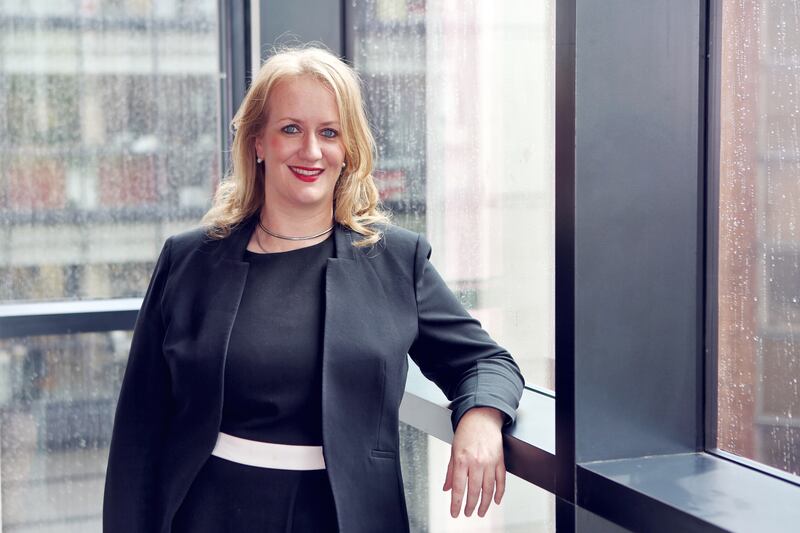
A multigenerational workforce brings a rich mix of experiences, perspectives and problem-solving styles, agrees Allison Howell, vice-president of market innovation at Hogan Assessments. “Younger employees often bring energy, bold thinking and comfort with change,” she says. “Younger employees are also more inclined to challenge the status quo. More experienced employees, on the other hand, contribute maturity, perspective and organisational knowledge. When you look past stereotypes, what you really gain is diversity in individual strengths – not generational categories.”
Ibec executive director Employer Relations Maeve McElwee also views the multigenerational workplace in a positive light. “We are truly fortunate to experience the opportunities arising from working in such a multigenerational workforce,” she says. “While we tend to focus on the generalised traits that have been attributed to the different generations in the workplace, it is often recognising the similarities that are most important to organisational success. “
For example, irrespective of generation, making a contribution and having that contribution to the overall purpose of an organisation recognised is a fairly universal desire, she adds. “Related to that is the desire to engage, collaborate and socialise with others in the workplace – that transcends generations. The difference is often in how we do these things and how we are rewarded for them – and we know from years of research that diversity in organisations is a good thing. When we look at diversity from an intergenerational perspective, we can see the variety of skills the multigenerational workforce provides, such as digital natives, technical experts, and people and management skills that often come from lived experience.”
Rebecca Robins is the author of Five Generations at Work: How We Win Together, for Good. The book explores how organisations can maximise the dynamics of generational diversity to create more collaborative and competitive businesses. It examines how a number of global leading businesses have dealt with the challenges and availed of the opportunities presented by the multigenerational workforce.
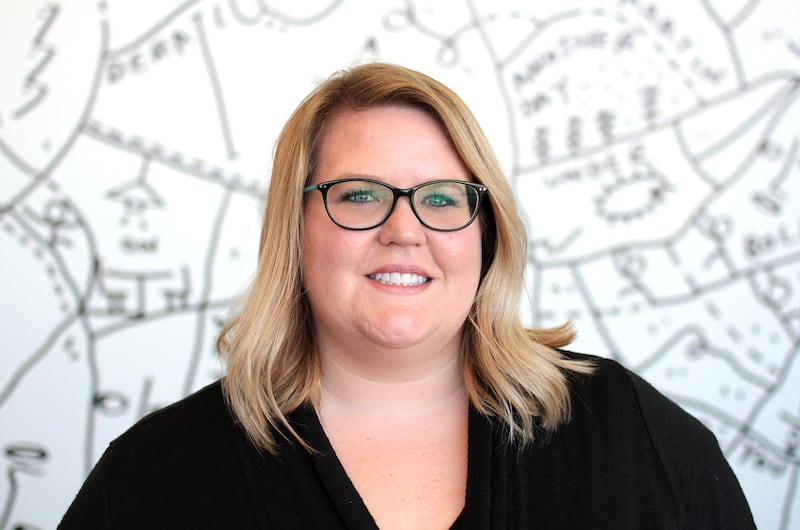
Far from seeing the intergenerational workforce as a challenge, she views it as a business opportunity. “We have this increasing diversity in our workforces and with that comes greater expertise, broader skillsets and knowledge,” she says.
“You have everything from Gen Z still coming into the workplace and their different ways of working, ways of seeing things, capabilities, skillsets and strengths, all the way through to the top end of the spectrum where you have people who may have been with the organisation for 30-plus years and have developed different abilities, a capacity for good judgement, different perspectives and pattern recognition.”
Organisations that welcome that diversity put it to work for them, she adds. “It gives them cultural, collaborative and competitive advantage.”
Organisations that are maximising the value of the multigenerational workforce are the ones investing in facilitating collaboration between the generations. “If the problems that we’re solving are more complex, more challenging and more interconnected, we are going to have to work in more cross-functional ways and, of course, we’re not necessarily wired to do that. That’s where collaboration really comes into its own as a bit of a superpower.”
To encourage collaboration, team leaders should work to foster an environment that values individual contributions and promotes productive and respectful conflict, says Howell. “Emphasise the value in mixed-experience teams, shared goals and mutual mentoring – these things help people appreciate each other’s strengths,” she says. “Most importantly, avoid framing differences as ‘generational’ – this language is inaccurate and naturally pits people against each other. Instead, build trust by treating people as individuals whose behaviour reflects personality and experience, not birth year.”
Communication is also critically important, according to McElwee. “To support this valuable skills ecosystem, it is increasingly important that HR practitioners and managers ensure there are communications systems in place that recognise the differences in how generations consume information and tailor them appropriately, ensuring that the whole organisation receives communications in the most effective way.”
With longer working lives, investment in our generations should keep pace with changing demographics, McElwee continues. “Older generations may still have decades ahead of them in the workplace and consideration must be given to retaining and upskilling them to ensure longer, productive participation in the business.”
It’s not all about the older cohorts. “In working environments where remote and hybrid arrangements are increasingly normalised, we should be giving attention to how we mentor and support our younger generations to learn the kinds of soft, transversal skills that previous generations learned through daily observation and feedback in the office environment,” says McElwee.
“Looking at the full complement of generations in the workforce allows us to see the incredible diversity of skill, knowledge and creativity in our businesses,” she concludes. “Protecting and nurturing those resources, and transferring them between generations, is an important competitive advantage.”


