

Visiting the dentist in 2026 is a world away from the dentists of your childhood. Not only are the offices more comfortable, with the convenience of online booking and virtual appointments, but now advanced techniques, better materials, and the use of technology means outcomes are quicker and better than ever.
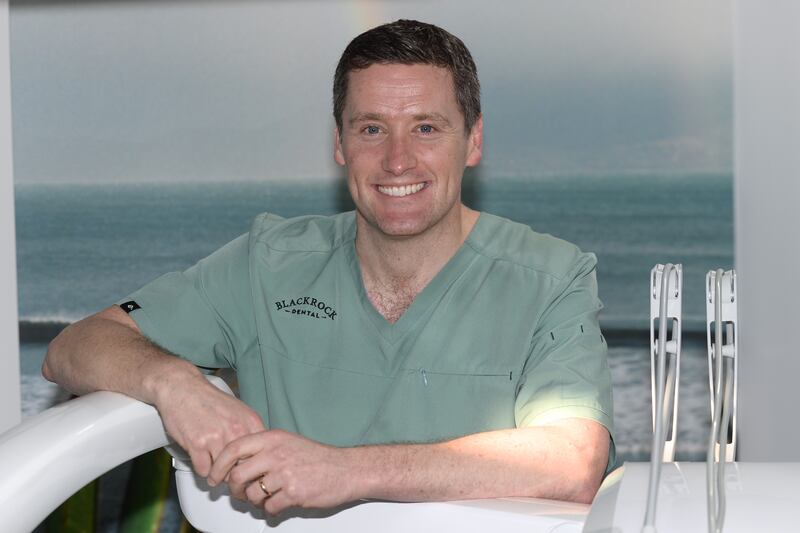
According to Morgan O’Gara of Blackrock Dental, dentists’ surgeries are no longer the austere, clinical spaces they used to be. “The traditional kind of ‘up the stairs, two surgery’ practices are gone,” he says. “In our own clinic, we have a spa vibe going on. People comment on that all the time, but it’s about making people comfortable.”
Sarah Flannery is the principal dentist at Azure Dental Clinic, in Blackrock, Co Dublin. She says dentistry today is “a world apart” from the dentistry of 20 to 30 years ago.
“Today dentistry is moving towards minimally invasive techniques with the emphasis on tissue preservation and prevention of disease in the first place,” she explains. Flannery points out that the introduction of fluoride into the water supply in Ireland during the 1960s was the start of this movement.
READ MORE



“We know that people born after this milestone have statistically less decay and oral disease in general.”
Previous generations know all too well that tooth removal was “a standard and routine practice” for any tooth that had succumbed to decay or periodontal disease. “Today, I will do anything to save a tooth, most preferably by restoring oral health in general, rather than interventive treatments.”

With the improvements in composite materials and the ever expanding evidence in techniques to achieve bond strength similar to nature, Flannery says the goal is to restore what is lost by addition rather than cutting away healthy tooth structure to make restorations fit.
“From a more practical point of view, today’s dentistry is entirely painless with the advances of modern local anaesthetics, topical anaesthetic and more empathy and understanding from the dental profession,” she adds. “With less invasive procedures, the chances of pain and discomfort are greatly reduced also.”
O’Gara agrees. “This means the stigma has gone to a large extent − it is very rare to see a truly phobic patient anymore.”
Flannery attributes the advancement of digital dentistry techniques to new levels of comfort and precision in restoring teeth and oral health. “New equipment from intraoral scanners replacing the old technique of impression taking, to guided biofilm therapy used by our dental hygienists, as well as non-invasive hygiene treatments, all make coming to the dentist a more positive experience.”
O’Gara also lauds the arrival of the intraoral scanners, noting he hasn’t taken a traditional dental impression “in over five years”. These are also being integrated with artificial intelligence: “This allows us to take a scan of a patient on a yearly basis, and AI will compare the scans and highlight to us any little discrepancies for tooth wear or damage. The images also help patients truly understand what is going on with their teeth.”
Flannery agrees. “Communication with the patient by being able to show inside their mouth on a screen from their scan increases self awareness of oral health and more understanding in how to achieve it.”
In fact, digital technology has completely changed routine procedures such as crown restorations, which O’Gara explains are now performed on the same day thanks to 3D scans and instant milling machines.
“The technology we have basically allows us to create a ‘virtual patient’ so you can plan every aspect of treatments and when the time comes, the patient is fully informed and everything is ready to go.”
AI is also being used to analyse and interpret patient X-rays, he adds. “A lot of the X-ray software has AI integrated and while it isn’t fully routine just yet, I can see this really taking off in 2026,” he says.
“The use of AI from a clinician’s point of view is very helpful with increased interpretation on reading X-rays, ease of communication through simulation and designing smiles,” says Flannery, who notes that companies such as Invisalign are effectively using AI to ensure better outcomes from aligners all the time.
The drive for sustainability has also reached dentistry; O’Gara admits that the requirement for sterility necessitates the use of single use products. Yet the industry is becoming greener − one major improvement he notes is the use of autoclave-compatible tool tips that can be sterilised and reused, replacing large volumes of single-use plastic. Conventional impressions involve plastic trays, impression materials, protective packaging, and physical transport to and from dental laboratories, all of which generates substantial waste. “Digital intraoral scanners have done away with much of that,” he says.
Looking to the future, developments in advanced dental materials and experimental restorative procedures offer much promise. For example, researchers are working on restorative materials that respond to environmental stimuli, including nano-restorative materials and hydrogels that can interact with the oral environment to promote better and faster healing. Even further down the line is the promise of biological tooth regeneration using 3D bioprinting, stem cells, and gene editing. Just last year, scientists at King’s College London succeeded in growing a new tooth under laboratory conditions.
O’Gara is enthused by these developments but believes it will be a long time before dentists are routinely employing these techniques in their surgeries. “It would be fantastic if something happens to bring regenerative dentistry to the clinic but I don’t believe it will happen in my career.”


