
Morrissey’s last solo album, I Am Not A Dog On A Chain, concludes with a track called My Hurling Days Are Done. The Smiths frontman was born in Manchester to Irish parents and though he often returned to the oul sod as a child he never played Gaelic games. He didn’t need that qualification to write a song about losing the race against time.
“Time will mould you and craft you
But soon, when you’re looking away,
It will sidle up and shaft you ...
READ MORE


Now my hurling days are done
And there’s no one to tell and nowhere to run.”
It is the oldest conflict in sport. How late is too late? How will you know? Who will have the guts to tell you?
How will they know?
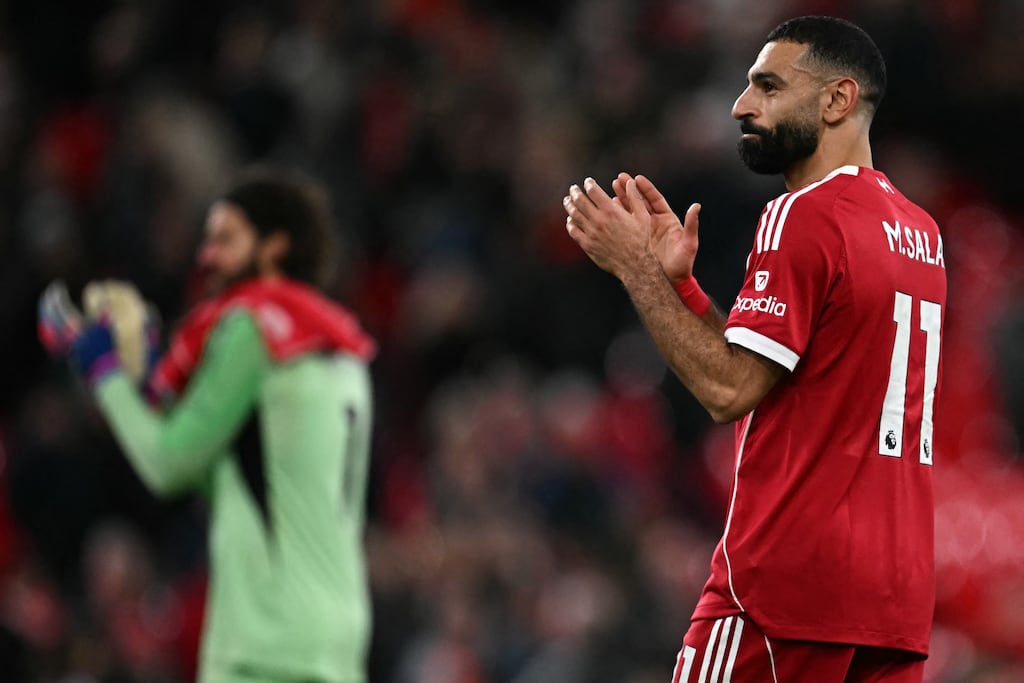
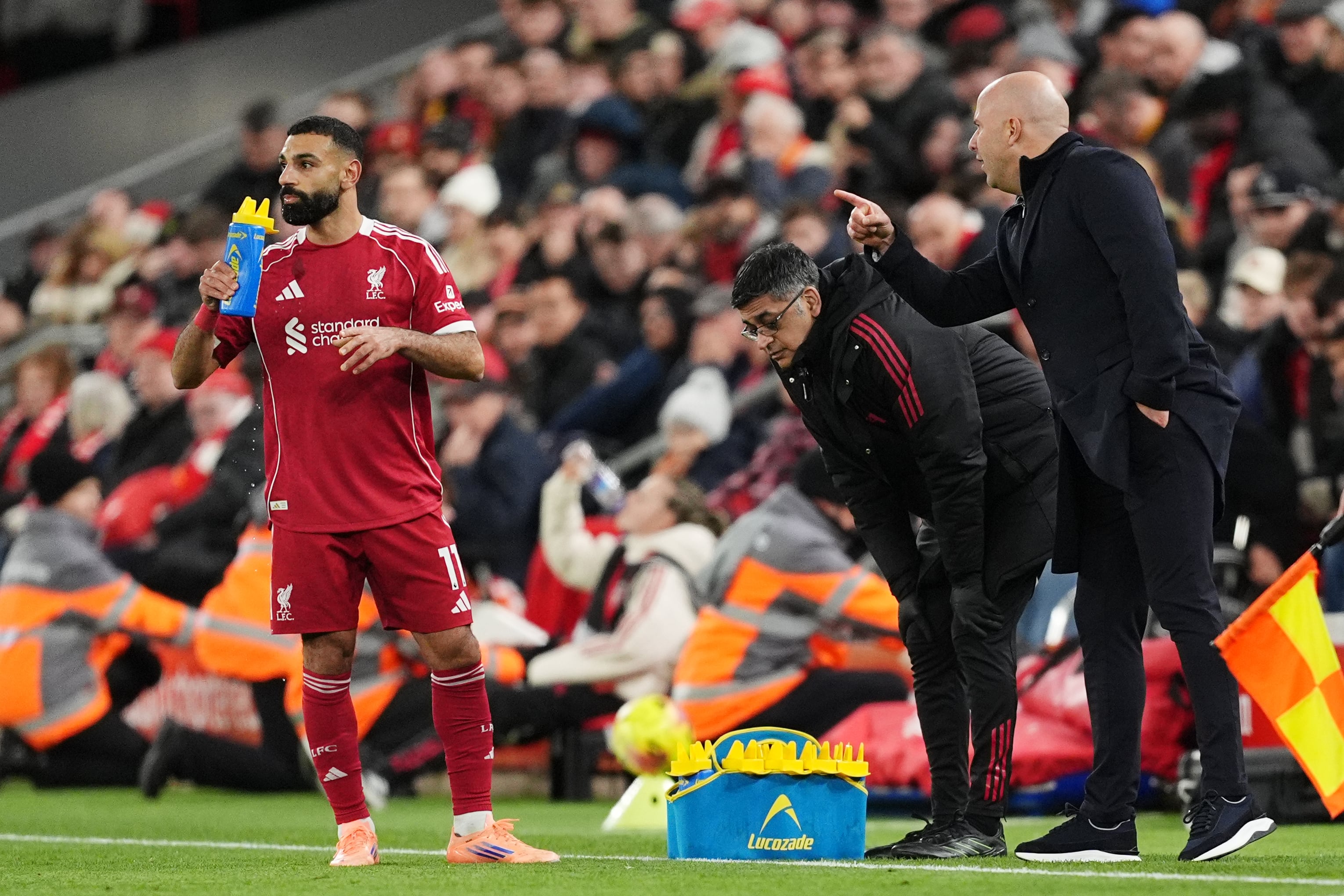
In a nearby galaxy Mohamed Salah and Liverpool have reached that sticking point. All of Salah and part of Liverpool are transfixed by the mirage of the player Salah used to be, as recently as a few months ago.
[ Arne Slot says Mohamed Salah’s future is not an issue after forward’s returnOpens in new window ]
In the Premier League last season, he scored a staggering 29 goals and contributed 18 assists to a title-winning team. That’s compared to 18 goals and 10 assists the year before, when he played 10 fewer games in the Premier League – primarily because of the African Cup of Nations. Pro rata, though, last year’s numbers were still better.
This season? It has been like Maria Callas in the early 1960s, fighting the loss of her voice.
This, too, has been an opera.
Though it is hard to fathom Salah’s precipitous drop in form and output, it is not an unusual phenomenon. Even for great players, the end can come suddenly and without warning.
Eddie Keher, one of the greatest players Kilkenny ever produced, tells a story of the moment when he knew he had reached the end. Late in the 1977 Leinster final, Kilkenny were in dire need of a goal, and, for Keher, meeting Kilkenny’s needs had been his vocation in life.
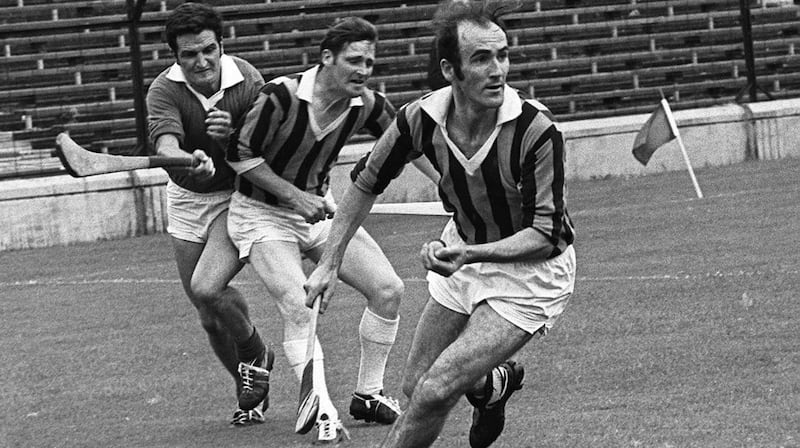
He gathered possession at the second attempt 35 yards from goal and set off. In those situations, a stage usually came in the run when he was free to do what he liked with the ball, but that licence had suddenly expired.
“Martin Casey was behind me, right on my back, and I couldn’t shake him off,” said Keher. “I only half-hit my shot and it was deflected over the bar. What struck me straight away was that I’d lost that extra step.”
Just a couple of months later, after Keher’s club The Rower-Inistioge lost the Kilkenny county final, Keher retired. Even though he was 36 by then, age was still no threat to his starting place; with his permission Kilkenny would have picked him again. He had the self-awareness to stop.
Kilkenny is an interesting case study for career endings. During his quarter of a century as Kilkenny manager, one of Brian Cody’s greatest strengths was his capacity to tell when a player had gone over the top.
Some of Kilkenny’s most celebrated hall of famers – Henry Shefflin, Tommy Walsh, Jackie Tyrell, Noel Hickey, Michael Kavanagh – finished their intercounty careers on the bench. Tyrell expressed his frustration in his autobiography later, but, just like all the others, there was no insubordination.
Just like Keher, Shefflin was 36 when he retired, but in his case, it came after a winter of speculation and consistent doubt in his mind. Unlike Keher, though, he had lost his place on the team and in his final season he played just 65 minutes, all of it off the bench.
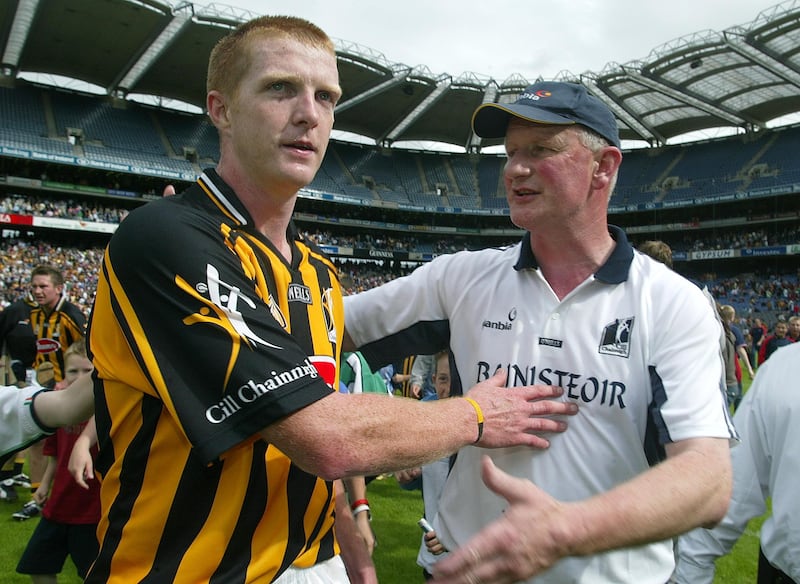
Ultimately, Shefflin made the call, days after Ballyhale Shamrocks had won another club All-Ireland, and nobody suggested that he had been pushed. But when Cody was the guest speaker at Shefflin’s book launch a year later he made an interesting quip out of the side of his mouth.
“He got the absolute maximum out of himself as player,” said Cody, during his 12-minute tribute. “He could not have got another ...” And then he checked himself, mid-sentence. “Now he doesn’t agree with this, he thought he could have got another couple of matches.”
The crowd dissolved in laughter because everyone in the room knew what Shefflin was like. Being a sub in his final season would have been a trial, just as it would have been for any great player. But by staying as long as he did, Shefflin risked losing control of the ending.
Shefflin’s successor as the leader of the Kilkenny team, TJ Reid, turned 38 last month. How much has he left? He was superb again in the Kilkenny county final a couple of months ago, but he was unable to influence the Leinster final last weekend.
Reid remains the most skilful forward of the modern age, he is still one of the best free-takers the game has ever seen, and he continues to be imperious under a dropping ball, but his pace and his dynamism have been blunted by time. On other occasions over the last couple of years, especially in Croke Park, it looked like his legs had gone, to put it bluntly.
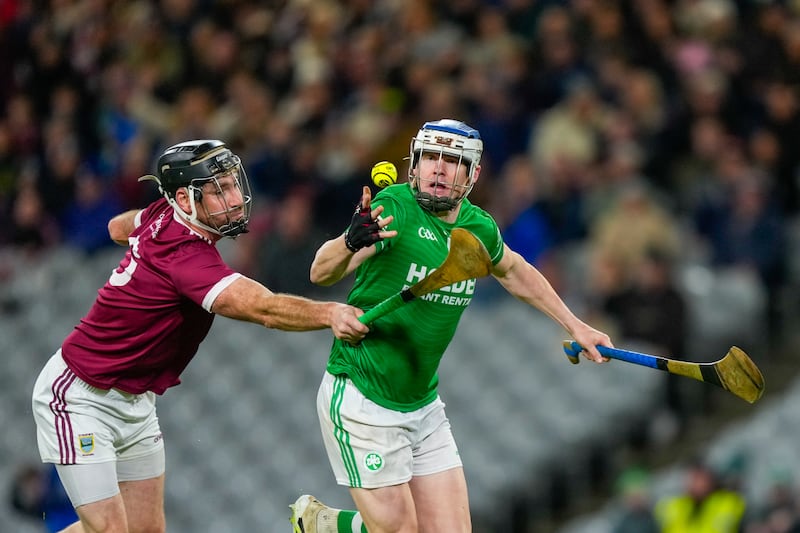
There is no cure for that. At some stage over the coming months Reid’s future and his place on the team will surely reach some kind of tipping point. Will they reshape the attack to minimise the amount of running he must do? Is that possible in the modern game? How many balls can they drop on his head?
Early in his career Reid spent far more time on the bench than he would have liked. Uniquely in the history of the game, the first four All-Ireland medals he won were as a sub; in three of those finals, he came off the bench in the second half.
[ There is no stopping the eternal TJ Reid – 19 years a goingOpens in new window ]
Is it inconceivable that he would be an impact sub for Kilkenny next summer rather than a nailed-on starter? That would take humility, of course. To one degree or another, all the great players of the Cody era had it. They fought like hell to keep their place, they didn’t just accept being a sub, but they didn’t whine about it. In Kilkenny, nobody would have expected any different.
Salah’s argument with the dying of the light has a long time to run yet.
“Time will send you an invoice,” sang Morrissey. “And you pay with your strength and your legs.”