Belgian politicians and senior finance executives have been subject to a campaign of intimidation orchestrated by Russian intelligence aimed at persuading the country to block the use of €185 billion assets for Ukraine, according to European intelligence agencies.
Security officials have indicated that there had been deliberate targeting of key figures at Euroclear, the securities depository holding the majority of Russia’s frozen assets, and leaders of the country.
EU leaders meeting in Brussels on Thursday are debating whether to approve the lending of urgently needed funds for Ukraine secured on Russian central bank assets, critical to maintain Kyiv’s war effort through 2026 and 2027.
Belgium is in focus because €185 billion of the €210 billon of Russia central bank assets frozen by the EU since the start of Moscow’s full-scale invasion of Ukraine is held at the Brussels-based Euroclear.
READ MORE


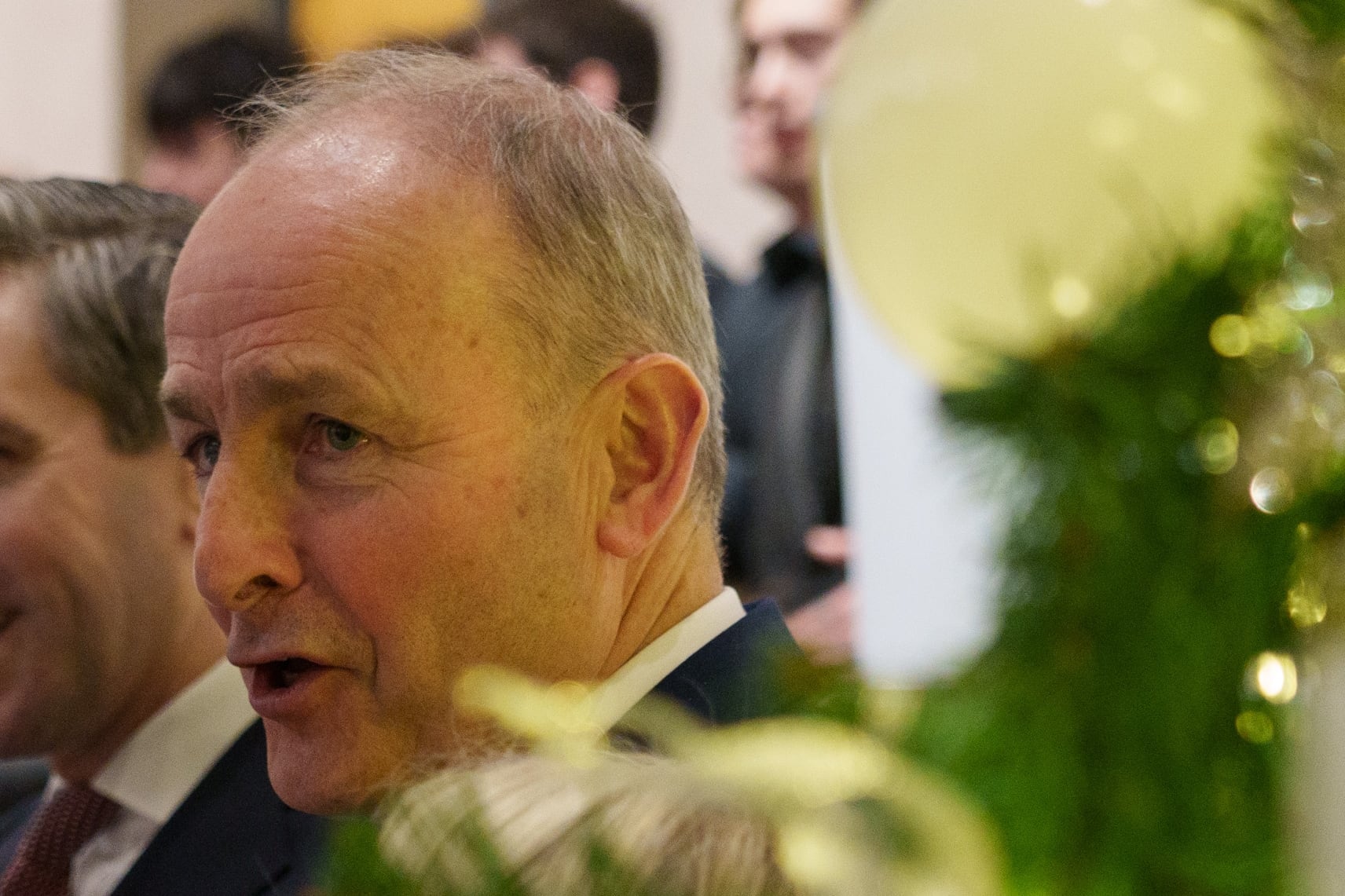

Speaking in the European Parliament on the eve of the summit, the European Commission president, Ursula von der Leyen, said: “There is no more important act of European defence than supporting Ukraine’s defence.” She added that “the next days will be crucial in securing this”.
Russia has publicly warned that utilising the assets would amount to theft and its central bank said it is seeking $230 billion in damages from Euroclear in a case brought in the country’s courts. But it is understood the intimidation campaign has been focused on key individuals.
[ The €90 billion question: will Belgium sign up to frozen assets plan for Ukraine?Opens in new window ]
Threats have been directed at Valérie Urbain, the chief executive of Euroclear, and other senior executives at the financial services group.
Euroclear declined to comment: “Any potential threats are treated with the utmost priority and investigated deeply, often with the support of authorities as appropriate.”
An investigation earlier this month by the news site EUobserver referenced threats made to Ms Urbain in 2024 and 2025, and that she asked for Belgian police protection. This was denied and she and other companies executives then hired first a Belgian, then a French security firm to provide bodyguards, according to the report.
A profile interview of Ms Urbain by Le Monde in November reported that she had been accompanied by a bodyguard for more than a year, though she did not comment directly on her security.
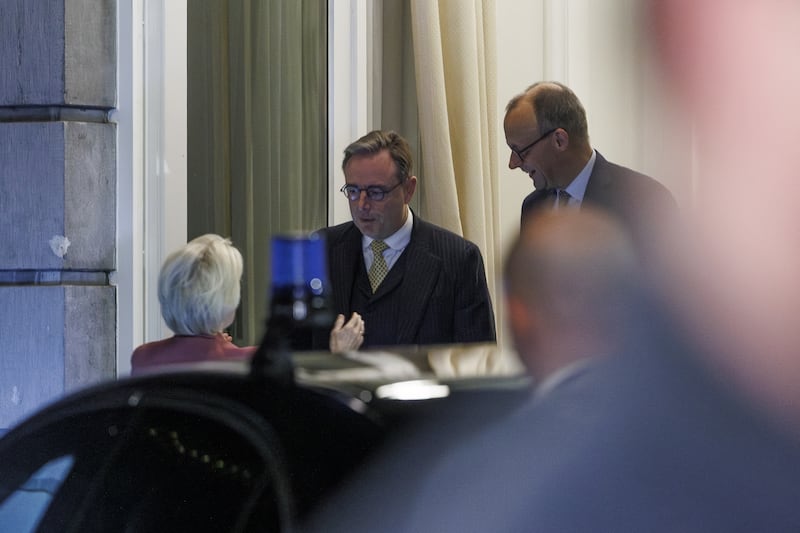
In early December, Bart De Wever, Belgium’s prime minister, said in an onstage interview with La Libre newspaper: “And who believes that Putin will calmly accept the confiscation of Russian assets? Moscow has let us know that in the event of a seizure, Belgium and I personally will feel the effects for eternity.”
Asked to explain these comments earlier this month, the prime minister’s office referred to previous remarks made by Mr De Wever, describing the legal and financial risks facing western companies.
At a press conference in October, Mr De Wever had said: “Moscow has told us that if we touch the money, we would feel the consequences until eternity,” and went on to evoke Russian countermeasures, including confiscation of western money frozen in Russian banks, seizure of western companies and similar decisions from Moscow-friendly jurisdictions.
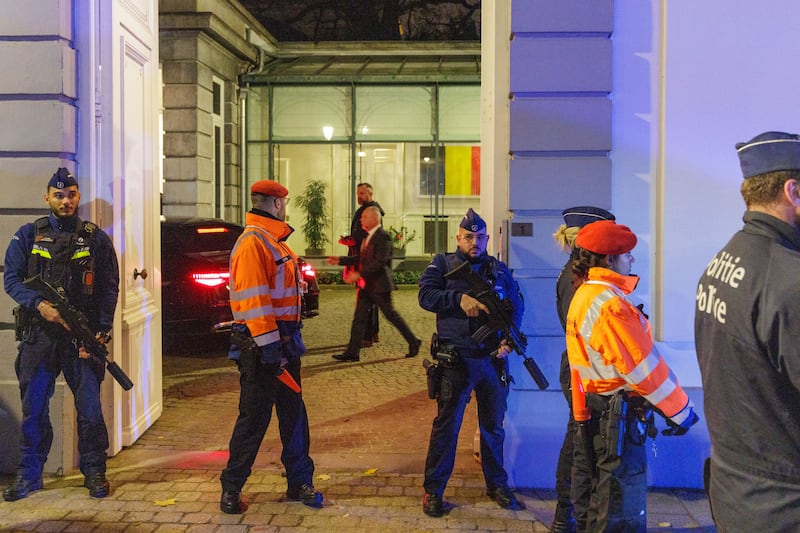
The spokesperson on Wednesday declined to comment on the reported threats against Belgian government ministers or the head of Euroclear, citing safety reasons.
A spokesperson for Belgium’s foreign minister, Maxime Prévot, who is also deputy prime minister and has been involved in talks on the reparations loan, said they had “no such information” about threats to him.
The UK, which is believed to hold €27 billion of Russia’s frozen assets, supports the move to use immobilised funds for Ukraine. Belgium has also been insisting that other countries holding Russian assets, estimated to be worth €290 billion worldwide, take similar actions to show solidarity and reduce the legal risk.
Keir Starmer, the UK prime minister, told the businessman Roman Abramovich to release £2.5 billion of proceeds from the sale of Chelsea football club in 2022 within 90 days or face legal action. Britain wants all the money to be given to Ukrainian war victims, but the billionaire has said he also wants Russian victims to benefit.
Ukrainian officials and experts acknowledge the EU loan is central to maintaining the country’s war effort for the next couple of years. Nataliia Shapoval, the head of the KSE Institute, a Kyiv based economic thinktank, said Ukraine required $50 billion in external financing in 2026, but only half of which had already been committed.
The economist described the need for fresh international financing as “absolutely critical”. In particular, Ukraine’s defence ministry needed predictable flows of cash to ensure that it could buy weapons at the rates needed and so its armaments industry could make capital investments for the future.
Though Ukraine could get through the first quarter of the year without the additional support from the EU, “big problems would arise from quarter two and even more in the second half of the year”, with Kyiv likely forced to cut defence budgets and make difficult trade-offs with social expenditure.
Ukrainian officials hope that an EU funding deal could put Russia under medium-term financial pressure. Next year, 38 per cent of Russia’s state budget will go on funding its military, while it is expected to end this year with a budget gap of about $70 billion, according to Shapoval. - Guardian